


Dog owners are always looking for simple, natural ways to support their dogs' overall health, and bone broth has become a popular option for good reason. Made by slowly simmering animal bones and connective tissues, this ancient preparation delivers collagen, amino acids, and minerals in a form dogs instinctively respond to. Bone broth can support multiple aspects of health, from mobility in senior dogs with stiff joints to benefits for skin, coat, digestion, and immune function.
In this article, we’ll break down what bone broth is, outline its key nutrients including collagen, gelatin, glycine, glutamine, and essential minerals, and explore how those nutrients support joint health, skin and coat, digestion, immune function, and appetite. We’ll also cover why bone broth powder offers a convenient way to add these benefits to your dog's daily routine and how to use it safely. Let’s take a closer look at why this time-tested food continues to play a meaningful role in canine nutrition.
What Is Bone Broth for Dogs?
Bone broth is a nutrient-rich liquid made by slowly simmering animal bones and connective tissues such as cartilage, tendons, and ligaments. This long, gentle cooking process extracts collagen, gelatin, the amino acids glycine and glutamine, and essential minerals including calcium and magnesium. All these nutrients end up dissolved in the broth, creating a simple, highly digestible source of nourishment for dogs. In simple terms, bone broth is a safe way to deliver the nutrition from bones without the dangers of feeding cooked bones, which can splinter or become a choking risk. It’s essentially the most nutrient-dense parts of the animal distilled into a highly palatable form.
Bone broth can be prepared at home or purchased commercially in liquid or powder form. Liquid bone broth typically needs refrigeration and has a short shelf life, which can make daily use less convenient, especially for smaller servings. Bone broth powder is made by simmering the bones, reducing the broth, and then dehydrating it into a fine, shelf-stable powder. One of the biggest advantages of powder format is its ease of use: no fridge needed, no lengthy cooking sessions, just scoop and mix with warm water for instant broth. You can even sprinkle the powder directly onto food as a flavorful topper. This convenience makes grass-fed bone broth powder an easy addition to your dog’s daily routine.
Quality is important. A bone broth is only as healthy as the ingredients and process behind it. Look for bone broths made from grass-fed, human-grade bones and meats, with no artificial ingredients or unnecessary additives. Grass-fed beef bones, for example, tend to produce a cleaner, more nutrient-dense broth than bones from conventionally raised animals. Broths formulated for pets should also avoid unsafe ingredients like onion, garlic, or excess sodium. Choosing a clean, well-sourced broth ensures your dog gets the full nutritional benefit. In the next sections, we’ll explore exactly how the collagen, glycine, and minerals in bone broth can benefit your dog from nose to tail.
Health Benefits of Bone Broth for Dogs
Joint Support for Senior Dogs
One of the most common reasons dog owners turn to bone broth is for joint health, especially in senior dogs or breeds prone to arthritis or stiffness. Bone broth naturally contains glucosamine, chondroitin, and hyaluronic acid, which are compounds associated with joint cartilage and normal joint function. These nutrients occur naturally when bones and connective tissues are slow-cooked into broth. Bone broth is rich in collagen, the structural protein that makes up your dog’s tendons, ligaments, and cartilage. In fact, up to 90% of those tissues are collagen. As collagen breaks down into gelatin during cooking, it provides building blocks that help maintain connective tissue integrity. Some studies suggest that oral collagen may support joint comfort in dogs, though individual results vary.
For an older dog with stiff hips or knees, these nutrients can make a real difference. Glucosamine and chondroitin in bone broth contribute to maintaining healthy cartilage and comfortable joint movement. Collagen and glutamine play a role in supporting connective tissue and normal inflammatory responses associated with daily activity. And because bone broth is served as a liquid, it supports hydration, which further lubricates joints from within. While anecdotal reports note improvements in mobility, percentages or specific outcomes vary and depend on the individual dog. While bone broth alone won’t cure severe arthritis or hip dysplasia, it can be a supportive addition to a senior dog’s routine. Even veterinarians emphasize that bone broth can complement, not replace, appropriate medical care for chronic joint issues. Many dog owners notice that their senior dogs move more comfortably and seem less stiff when bone broth is incorporated into their daily meals, especially alongside proper veterinary care.
Importantly, bone broth achieves this joint support in a natural way. It functions as nourishment their body recognizes and can readily use. It’s no wonder we consider bone broth an ancient superfood for joint health; wild canines instinctively gnawed on bones for these very nutrients. With a high-quality, grass-fed beef bone broth powder, you deliver those same joint-friendly compounds minus any harmful fillers. It’s a gentle, holistic boost for an older dog’s mobility. As always, monitor your dog’s response and consult your veterinarian if you have any concerns.
Shinier Coat and Healthier Skin
If your dog’s fur looks a little dull or their skin seems dry, bone broth can offer simple, natural support. Collagen, gelatin, and amino acids like glycine play key roles in maintaining healthy skin and fur. As dogs age, their natural collagen production declines, which can lead to less elastic skin and a coat that’s not as lustrous as it once was. Bone broth provides these nutrients in a form the body can readily use, supporting skin cell turnover and fur growth.
With regular use, many dog owners notice their dogs’ coats becoming softer and shinier. The nutrients in bone broth promote skin elasticity and a shiny coat, and may help reduce excess shedding. Some dogs that consume bone broth regularly experience fewer skin irritations when collagen and trace minerals are added to their routine. Glycine, one of the primary amino acids in bone broth, has properties that support normal inflammatory responses and healthy tissue function. This can soothe irritated skin and support recovery from minor rashes or hot spots. Essentially, bone broth provides nutrients that contribute to stronger hair follicles and well-hydrated skin.
Even younger dogs can benefit on the skin and coat front, especially breeds that tend to have skin sensitivities. And unlike topical solutions, bone broth provides nutrients through the diet, allowing them to work systemically rather than just on the surface. Results will vary from dog to dog, but many owners report noticeable improvements. One Brothhh customer even shared that their dog’s coat turned “glossy and soft” after a month of using our beef bone broth powder. By nourishing the dermis and fur internally, bone broth can help dogs maintain a healthier appearance and overall comfort.
Gut and Digestive Wellness
If your dog has a sensitive stomach or issues like intermittent diarrhea, bone broth can be a gentle gut soother. This goes back to that comparison with chicken soup because bone broth is easy to digest and can help nourish a dog when their stomach doesn’t want solid food. In cases of minor gastrointestinal upset, vets sometimes recommend withholding solid food for a short time. Bone broth offers a way to keep your dog hydrated and fed with nutrients during that break. It’s no coincidence that many dog owners turn to bone broth when their dog has a stomach bug or after antibiotic treatment.
The gut benefits aren’t just anecdotal; bone broth contains specific nutrients that support digestive health. One key player is gelatin, which is derived from collagen. Gelatin helps support the gut lining and maintain normal intestinal barrier function, which is important because a healthier gut lining supports better nutrient absorption. Additionally, the amino acids in bone broth, such as glycine and glutamine, are well-recognized for supporting gastrointestinal health. Glycine helps maintain the mucous membrane of the intestines and supports healthy stomach acid balance. Glutamine serves as a primary fuel source for the cells of the gut lining and helps maintain the integrity of the intestinal wall. Together, these components support normal inflammatory responses in the GI tract and contribute to healthy digestion.
Many dog owners find that regular bone broth can help promote normal stool quality and more consistent digestion. If a dog suffers from food sensitivities or occasional digestive discomfort, adding broth may help by providing gut-supportive amino acids in a natural form. Even if your dog has a cast-iron stomach, bone broth’s digestive benefits still apply; it can support overall nutrient absorption and contribute to a balanced gut microbiome. Bone broth is a simple dietary addition that supports healthy digestive function, one more way this ancient superfood supports your dog from the inside out.
Immune Support and Hydration
A strong immune system is the cornerstone of your dog’s health. Interestingly, 70% of the immune system resides in the gut, so the gut-supporting properties of bone broth we just discussed can also benefit immunity. Beyond that, bone broth contains essential minerals and amino acids that help maintain normal immune function. For example, bone broth provides minerals like zinc and magnesium that are important for immune cell function. It also contains amino acids such as glycine and arginine, which support normal inflammatory responses and overall immune health. In other words, bone broth supplies nutrients the body uses to maintain its natural defenses.
Bone broth can also encourage better hydration, which indirectly supports every organ, including those involved in immunity. Many dogs don’t drink as much water as they should, especially in cooler weather or as they age. By adding nutrient-rich broth to their diet, you’re increasing their fluid intake without them even noticing. Bone broth is largely water but carries flavor and nutrients that entice dogs to drink more readily. It’s a practical way to increase fluid intake in dogs that turn their noses up at the water bowl. Because of its high moisture content, bone broth can help support hydration during hot weather or times when a dog may be at risk of mild dehydration.
By boosting hydration and providing immune-supportive nutrients, bone broth can serve as a gentle addition to your dog’s wellness routine. Some owners report their dogs bouncing back faster from minor illnesses when bone broth is part of their diet, though results vary. It’s not a cure-all or a replacement for veterinary care, but it can complement your dog’s natural immune defenses. Think of bone broth as a simple, nutrient-dense addition that supports overall vitality, especially when dogs need a little extra nourishment. In summary, a cup of broth does more than quench thirst; it quietly fortifies your dog’s resilience from within.
Stimulates Appetite in Picky or Ill Dogs
Beyond all the long-term health benefits, bone broth has a more immediate advantage: it can entice even the fussiest of eaters. Picky dog? Try drizzling some savory beef bone broth over their kibble and you might be surprised at how fast that bowl gets licked clean. Most dogs enjoy the smell and taste of a meaty broth; it taps into their natural preference for animal-based foods. This makes bone broth a useful topper to improve the palatability of any meal. In fact, many pet parents use it as a taste enhancer; since it’s low in calories and high in flavor, it can make a boring bowl of dry food far more exciting without unbalancing the diet. If you have a senior dog that’s losing interest in food, or a dog recovering from surgery or illness with a reduced appetite, warm bone broth may encourage them to eat. The aroma alone can help re-engage appetite.
Consider bone broth as the canine equivalent of comfort food. Just as a human might eat better with warm soup, a dog that isn’t feeling their best may respond well to broth-soaked food. Broth can also be used to soften hard kibble, making it easier to chew and digest, which is helpful for puppies and senior dogs with dental challenges. Some owners even use bone broth to help disguise medications or supplements by mixing them into a small amount of broth so the dog consumes them more readily. The bottom line is that bone broth can help stimulate appetite and support your dog in getting the nutrition they need, even when they’re being choosy or under the weather. As one customer happily reported, their notoriously finicky dog “absolutely loves” the broth powder added to her food and now eats with enthusiasm. If you’ve got a reluctant eater, bone broth may help make mealtimes more enjoyable.
Every dog is different. This article is not medical advice and does not replace a conversation with your veterinarian. Always consult your vet if your dog has a serious health issue, and introduce any new supplement (even natural ones like broth) gradually to ensure it agrees with your pet.
Why Bone Broth Is an “Ancient Superfood”
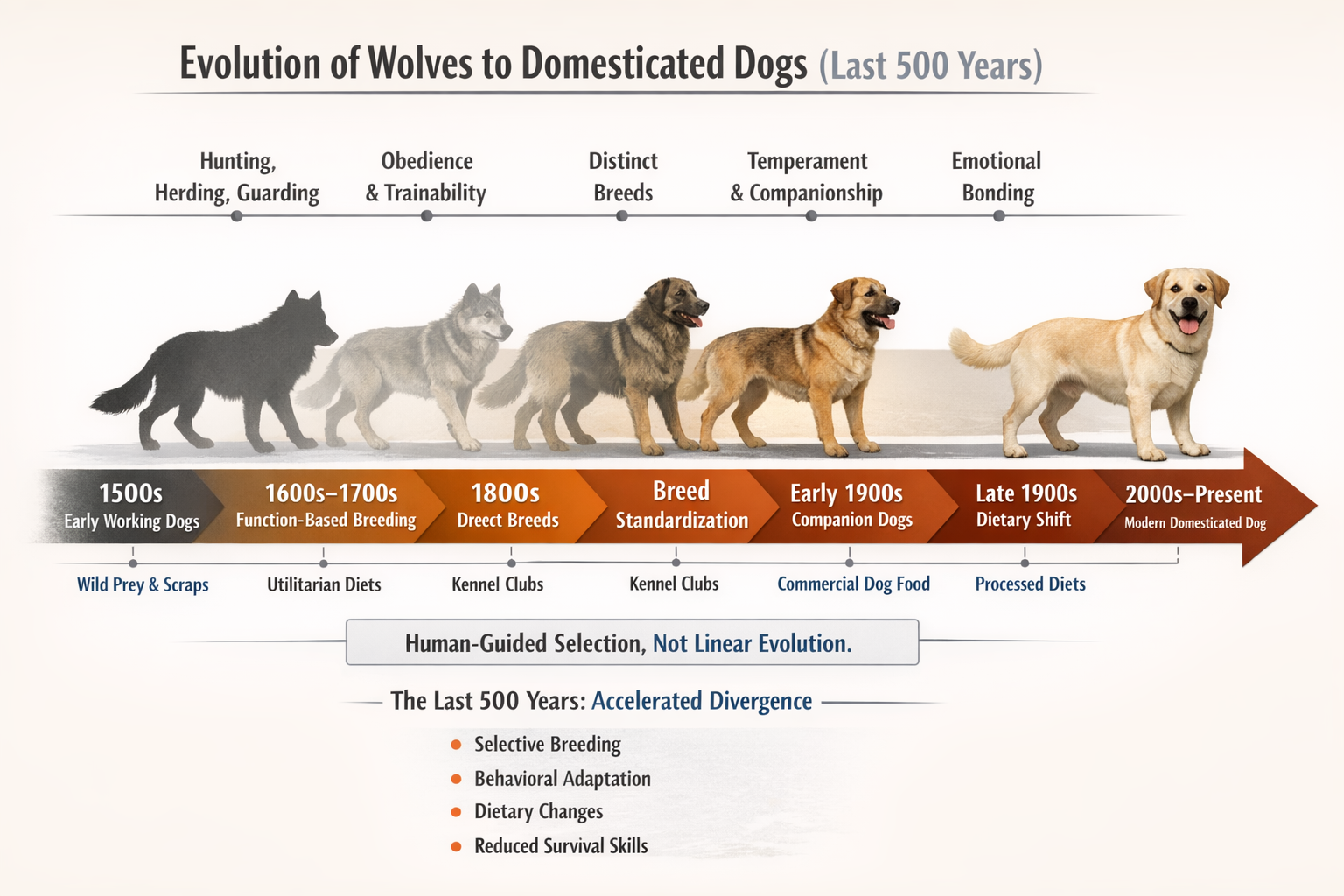
Bone broth is often called an “ancient superfood” and that is not just marketing hype. The practice of boiling bones to extract nutrients has been around for thousands of years in human cultures and has been valued as a nourishing, restorative food. For dogs, bone broth aligns with their ancestral diet. Think about wild canines such as wolves and feral dogs. When they consumed prey, they did not stop at the muscle meat. They also consumed bones, cartilage, and connective tissues, which provide important nutrients like minerals and collagen. Those so-called "inedible" bits provide critical nutrients that keep joints strong and coats healthy in the wild. Bone broth is a safe, practical way to deliver similar nutrients today, without the risks associated with feeding whole cooked bones.
This is why bone broth naturally fits within an ancestral approach to canine nutrition. It’s simple, clean, and rooted in a long-standing tradition. We call it a superfood because it provides a broad spectrum of nutrients without relying on synthetic additives. That philosophy aligns with Brothhh’s belief that the best way to nourish our dogs is to honor their natural, evolutionary needs. We’re essentially channeling what worked for wild dogs into a modern, convenient supplement for today’s pets. We use only grass-fed, human-grade ingredients and a slow cooking process to preserve nutrient integrity. The result is a modern delivery of time-tested nutrition that supports vitality.
Another reason bone broth stands out as an ancient superfood is its minimal processing. There are no harsh chemicals or extreme manufacturing steps, only slow-cooked bones and water, just as it has been for ages. This simplicity helps keep the nutrients bioavailable, making them easy for the body to absorb. We often say bone broth lets your dog “drink their nutrients.” It’s a gentle way to supplement their diet without overwhelming their system. And importantly, it’s not a fad. Long before commercial pet food existed, dogs were lapping up nutrient-rich broths from the stew pots of farms and campsites. We’re simply bringing that tradition forward, minus the mess and with all the safety checks of modern quality control.
By giving your dog bone broth, you’re connecting them with a piece of their heritage. It’s a simple, grounded practice that aligns with both ancestral eating and modern canine care. Imagine the way wild canines once nourished themselves, consuming not just meat, but the collagen-rich bones and connective tissues of the whole prey. Bone broth delivers similar nutrients in a form that fits naturally into your dog’s daily routine, without any of the inconvenience of raw bones. That’s the beauty of bone broth. It earns the title “ancient superfood” by delivering time-tested nutrients in a way that’s compatible with contemporary canine life. At Brothhh, we’re passionately devoted to bridging ancestral nutrition with modern convenience, and bone broth is one of the clearest examples of that mission.
How to Use Bone Broth Powder Safely
Bone broth may be ancient, but serving it to your dog is easy and safe with a few simple tips. Here’s how to get the most out of your bone broth powder routine:
-
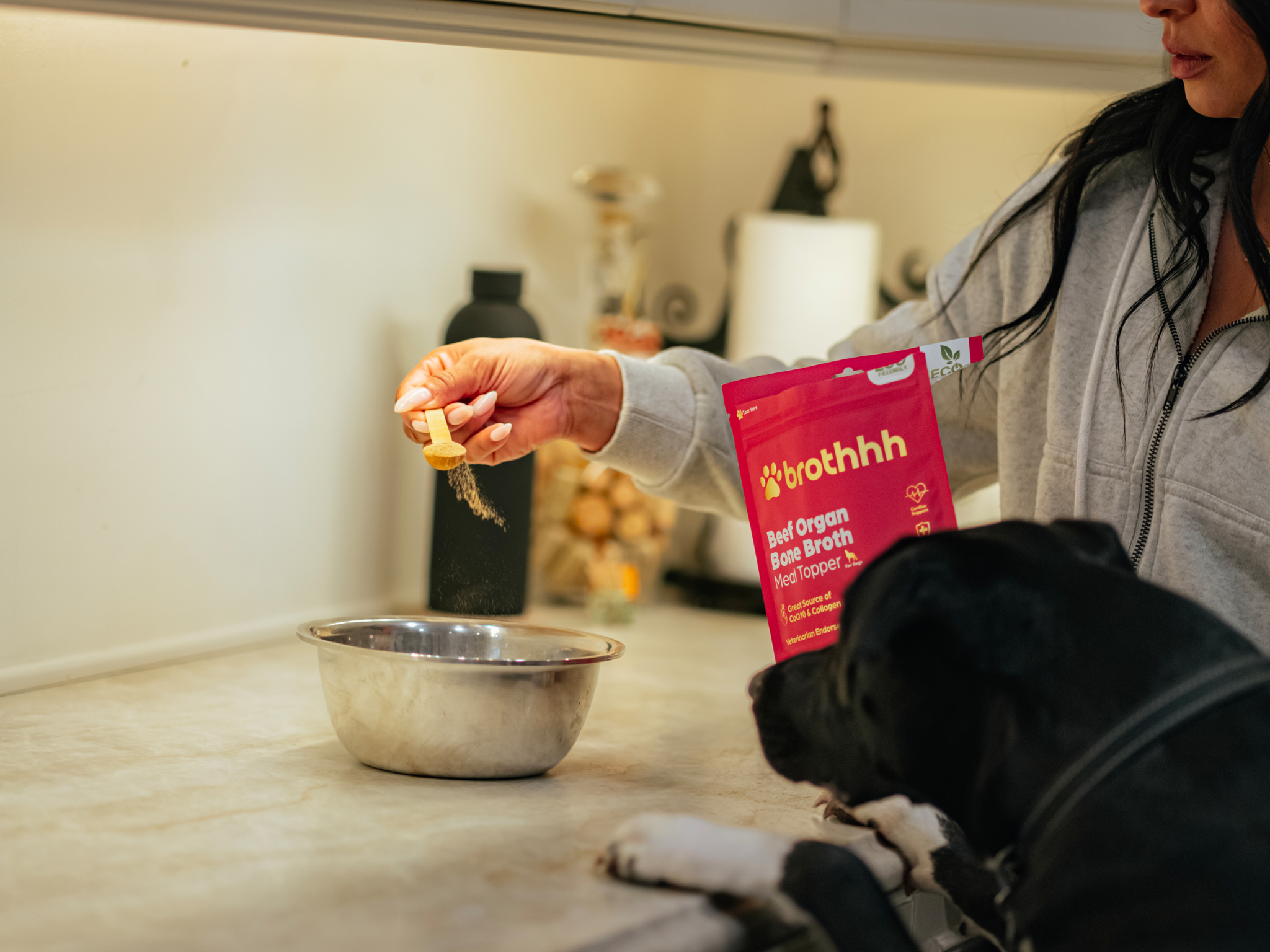
Daily Feeding Ideas: The simplest way to use bone broth powder is to sprinkle it over your dog’s regular food. A teaspoon or two on each meal can add additional flavor and nutrition. You can also reconstitute the powder by mixing it with warm water (follow the package’s ratio) to create an instant broth. Pour the broth over kibble or serve it on the side as a drink. Some dogs enjoy licking up the powder dry, but mixing with moisture is usually best for digestion and hydration. You can drizzle prepared broth over dry food, mix powder into wet food, or use it in simple homemade treats if you prepare DIY dog snacks. Make Broth Popsicles: For a fun twist, try freezing diluted bone broth into treats. Pour prepared broth into ice cube trays or dog-safe popsicle molds and freeze them. You’ll get bone broth “pupsicles” that are perfect for cooling your dog down on a hot day. Many dogs love gnawing on these savory ice blocks, and it’s another way to support hydration. You can even add small amounts of dog-safe fruits or vegetables before freezing for added texture.
-
Start Small & Monitor: If bone broth is new to your dog, introduce it gradually. Start with a small amount, such as a few tablespoons of prepared broth, to see how your dog likes it and how their stomach handles it. Most dogs tolerate bone broth well, but it’s wise to go slow with any new food. You can build up to a daily serving. As a general guideline, small dogs might get 1 to 2 tablespoons a day, medium dogs around 1/4 cup, and large dogs up to 1/2 cup mixed into meals. Adjust based on your dog’s response and appetite. And always provide fresh water alongside.
-
Avoid Harmful Ingredients: Do not give your dog human soups or broths that contain ingredients like onions, garlic, chives, or high sodium levels. Onion and garlic in particular are toxic to dogs, even in powdered forms, and many store-bought broths are loaded with salt. Also avoid broths that list spices, artificial flavorings, or preservatives that aren’t explicitly safe for pets. It’s best to stick to broths made for dogs or homemade bone broth using just dog-safe ingredients. When in doubt, read the label or ask the manufacturer. The good news is that reputable pet bone broths are formulated without unnecessary additives or ingredients that can be problematic for dogs. High-quality options, including Brothhh’s, focus on clean, dog-safe ingredients that support natural nutrition.
-
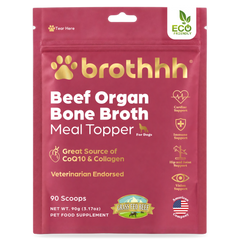
Choose Quality Products: To ensure safety and efficacy, pick a bone broth powder from a brand you trust. For example, Brothhh’s Beef Organ Bone Broth Complex is a dog-specific formula made with grass-fed beef bones and organs, carefully dehydrated to preserve nutrients. There are no additives, fillers, or vague “proprietary blends,” and the ingredients are transparently listed. Quality products are tested for contaminants and produced in regulated facilities, so you can have peace of mind. Using a formula designed for dogs also means the flavor is tailored to canine taste buds and the nutrient levels are appropriate for daily supplementation.
In general, bone broth powder is very safe. It’s essentially food, not a drug. You can use it every day or a few times a week, depending on your dog’s needs. Some owners give broth daily to senior dogs for consistent joint support; others use it as an occasional topper or treat. Listen to your dog and your veterinarian. If your dog has a medical condition such as kidney disease, for instance, ask your vet about any dietary considerations. And remember, moderation is key. You can have too much of a good thing, so stick to recommended serving sizes and observe how your dog responds. When used properly, bone broth powder is a simple, safe addition to your dog’s diet that can support your dog’s health from nose to tail.
Real-Life Results From Dog Parents
Nothing speaks louder than the stories of fellow dog owners. We’ve heard hundreds of anecdotes from people who have tried bone broth powder for their dogs, and the feedback is consistently encouraging. Here are a couple of real-life examples from Brothhh customers seeing positive changes in their dogs:
“She is moving much better and is a lot more comfortable while getting up... she has started coming up on the couch too, something she was reluctant to do earlier because of her arthritis.” – Ella G.,
Ella shared the improvement in her 10-year-old dog’s comfort and mobility after adding bone broth. In this case, the broth supported her senior dog’s routine and helped her regain the confidence to jump on the couch again, a meaningful shift for a dog who previously struggled with stiff joints.
“So far, I’m really happy with it. She moves so smoothly, has plenty of energy, and just seems really comfortable overall. And the best part — she actually eats it without any drama.” – Sandi Z.,
Sandi uses a joint-support bone broth for her active German Shepherd. She noticed her dog staying energetic and comfortable. Plus, even though her dog can be picky, the delicious broth powder caused zero fuss at mealtime, which is a big win for any dog owner with a picky eater.
These are just snapshots, but they echo what many dog owners report: greater enthusiasm at mealtimes, improved comfort with movement, shinier coats, and overall vitality. Some pet parents notice changes within a week or two, while others observe gradual improvements over several months, such as better stamina on walks or easier transitions from resting to standing. Every dog is unique, but the general trend is that consistent use of a quality bone broth can support overall well-being and help aging dogs feel more like themselves. It’s not a miracle cure or an overnight fix, but over time small improvements can add up to a happier, more comfortable companion. Hearing these kinds of stories is a big part of why we at Brothhh are so committed to creating high-quality, ancestral nutrition supplements.
Where to Learn More
-
Brothhh About Us – Learn who we are, what drives our commitment to ancient nutrition, and why we “love dogs more than humans” in our mission to give every dog a longer, fuller life.
-
Science of Bone Broth (Brothhh Lab) – Dive into the research and nutritional science behind bone broth for dogs. We break down ingredients, physiology, and sourcing in a transparent, easy-to-understand way.
-
Grass-Fed Beef Organ Bone Broth Complex – Explore Brothhh’s signature beef bone broth meal topper. See the ingredient list, sourcing details, and how this formula can fit into your dog’s diet for joint support, digestive health, and daily vitality.
Brothhh is proud to create premium, ancestral nutrition supplements that help your dog live their healthiest, happiest life. If you’re curious about bone broth for dogs, we invite you to explore the resources above or reach out to us with any questions. Here’s to honoring nature’s wisdom and keeping our furry friends thriving, one bowl of broth at a time!

Leave a comment
This site is protected by hCaptcha and the hCaptcha Privacy Policy and Terms of Service apply.