


What Is the Ancestral Diet for Dogs?
The ancestral diet for dogs centers on feeding them in a way that reflects how canines evolved to eat. Long before modern food existed, wild canids, like wolves, relied on whole prey for nutrition – raw meat, organs, and bones were the staples of that menu. Dogs and wolves share the vast majority of their DNA, which means our domestic pups are still biologically wired for a similar evolutionary diet. A dog’s ancestral diet is a biologically appropriate diet built around whole animal ingredients (muscle meat, nutrient-rich organs, and meaty bones), with minimal fillers or carbohydrates. This species-appropriate dog nutrition approach aligns with what a canine would eat in nature, long before commercial kibble existed.

Feeding an ancestral raw diet for dogs doesn’t mean releasing a live chicken into your kitchen! It simply means recreating the nutritional profile of a canine evolved to eat using clean, modern, safe ingredients. Think of it as channeling your inner wolf pack leader when you prepare your dog’s bowl. Raw vs kibble diet comparisons make this clear: wolves and feral dogs thrive on moisture-rich meat with organ nutrients and crunchable raw bones, not the starchy grains and synthetic additives found in many commercial foods. By understanding what the ancestral diet for dogs really means, you can start to bridge the gap between your dog’s dinner and their wild heritage.
Why Consider Ancestral Nutrition?
Why consider an ancestral approach in the first place? Because it aligns what your dog’s body is truly built for. Modern kibble diets often rely on excessive carbohydrates and fillers that dogs don’t biologically require. In contrast, a prey-inspired meal provides nutrient-dense, unprocessed nutrition that can offer meaningful health benefits. Many dog owners notice improvements when shifting toward a more natural evolutionary diet, including firmer, smaller stools, a shinier coat, healthier skin, and steadier energy throughout the day. High-meat, ancestral nutrition is also associated with lean muscle tone and better dental health, since chewing raw meaty bones naturally supports teeth and gums.
Another strength of ancestral nutrition is what it avoids. Many processed foods rely on artificial additives, fillers, and vague ingredients that don’t align with a dog’s natural biology. By choosing whole foods closer to their natural state, you reduce exposure to common irritants and cut back on the junk in your dog’s diet. This is a proactive way to support long-term vitality. Many veterinarians have noted rising rates of diet-related issues like obesity, diabetes, and chronic inflammation, as highly processed diets have become the norm, and ancestral feeding aims to counter that trend by giving dogs the fuel their bodies were designed to run on.
There’s a reason forward-thinking pet brands are embracing this philosophy. Brothhh, for example, is built around the belief that dogs benefit from nutrition rooted in their biology. By focusing on whole, biologically appropriate ingredients, we aim to support dogs in a way that aligns with how their bodies are designed to function. Feeding with an ancestral lens isn't a trend, it’s a practical approach grounded in physiology and long-standing nutritional principles.
Key Components of a Species-Appropriate Dog Diet
So, what exactly goes into a bowl of ancestral nutrition? A species-appropriate dog diet centers on natural, whole-food ingredients that mirror the nutrient profile of a prey-based menu. Here are the key components to focus on:
-
High-Quality Animal Proteins: Meat is the foundation of an ancestral diet. Muscle meats from sources like beef, poultry, or game provide the complete proteins and fats dogs have relied on for millennia. This rich protein helps build strong muscles, support organ function, and overall vitality, just as they would have in a wild setting.
-
Organs (Nature’s Multivitamins): Organs are the most concentrated sources of natural vitamins and minerals, which is why they play such an important role in ancestral feeding. In the wild, after the hunt, organs such as the liver, heart, and kidney provide nutrients like vitamin A, B-vitamins, iron, and CoQ10. For example, beef liver is loaded with vitamin A for immune and eye health, while beef kidney is rich in B12 plus erythropoietin, which supports red blood cell production and oxygen delivery throughout the body. In simple terms, organs help everything from your dog’s eyesight to their stamina during playtime.
-
Raw Edible Bones: Raw bones (e.g., chicken necks or beef ribs) serve as both a calcium-rich food source and a dental scrub. They supply essential minerals like calcium and phosphorus to build strong bones and teeth. Gnawing on raw (never cooked) bones also massages the gums and can help scrape away plaque naturally. This is exactly how wolves keep their teeth clean and bones strong. Always choose appropriately sized raw bones and supervise, of course.
-
Healthy Fats & Omega-3s: A proper ancestral diet for dogs includes ample animal fats. Wild canines derive significant calories from fat in prey, which helps keep them energized and their coat glossy. Including sources of healthy fat like chicken skin, fish, or egg yolks provides essential fatty acids (omega-3 and omega-6) for skin and coat health, brain function, and anti-inflammatory benefits. These fats make the diet more satiating and flavorful, too.
-
Minimal Carbohydrates & Fillers: One thing you won’t find in a wild canine’s menu is a bowl of corn or wheat. An ancestral raw diet is naturally low in carbs – dogs simply don’t need rice, corn, or soy in large amounts. By cutting the fillers and grains found in many kibbles, you reduce unnecessary carbohydrate load. Instead, dogs get energy from species-appropriate sources of protein and fat. (If you want to include a bit of plant material, stick to low-starch veggies or berries that mimic the stomach contents of prey – but these should play a minor role.)
-
Moisture-Rich Content: Ever notice how kibble is bone-dry? In contrast, natural prey is juicy. Wild dogs obtain plenty of moisture from eating fresh meat and blood, which keeps them hydrated. A species-appropriate diet for your dog should also be moisture-rich – either by feeding fresh/frozen raw food or by adding water/bone broth to meals. This added hydration supports healthy digestion and kidney function. Dogs eating a properly moist, raw diet tend to drink less from the water bowl because they’re already getting water in their food, as nature intended.
By focusing on these key components, you create a balanced, biologically appropriate diet that caters to your dog’s natural nutritional needs. Each element plays a role in nourishing your dog the way evolution designed. It’s not about exotic ingredients or fad superfoods – it’s about the basics done right: real meat, real organs, natural calcium, and no junk.
Modern Ways to Feed as Nature Intended
Feeding your dog like a wolf sounds rustic, but it doesn’t mean you have to toss them whole rabbits in the backyard. Modern pet parents have plenty of convenient ways to incorporate ancestral principles without adding complexity or compromising safety. If you’re not ready to go 100% raw, you can still add ancestral raw nutrition to kibble using organ meat and bone broth toppers as a practical, nutrient-focused compromise.
Start small and simple. For instance, mix a bit of fresh or lightly cooked meat into your dog’s high-quality kibble, or top their bowl with a spoonful of plain canned pumpkin or a raw egg. Even adding a little raw food to your dog’s diet can yield benefits so you don’t need to overhaul the entire routine at once. In fact, even a little raw goes a long way in boosting nutrition and flavor at mealtime. Think of these additions as an easy first step toward a more ancestral approach.
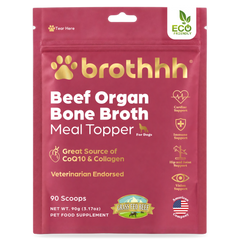
One especially practical approach is using freeze-dried raw toppers and meal supplements. These products capture all the goodness of raw ingredients in a shelf-stable, easy-to-serve form. For example, Brothhh’s Beef Organ Bone Broth Complex Meal Topper offers a convenient way to sprinkle ancestral goodness onto your dog’s everyday meals. TThis veterinarian-guided topper is a freeze-dried, human-grade blend of grass-fed beef organs and bone broth protein which concentrates the most nutritious parts of the prey diet into a powder you can scoop over kibble. By adding a scoop, you’re infusing that bowl of kibble with extra protein, collagen, vitamins, and minerals straight from real beef liver, heart, kidney, and broth. It’s an easy modern solution for busy dog owners who want the best of both worlds: the convenience of kibble and the nutritional boost of raw ingredients.

Beyond powders and sprinkles, consider other ancestral meal toppers: freeze-dried meat morsels, raw meaty bones for occasional chewing sessions, or bone broth as a delicious gravy. Pouring a bit of warm bone broth over dry food is a fantastic way to add flavor and much-needed moisture, along with naturally occurring collagen that supports joint and gut health. Your dog will appreciate every drop! Plus, bone broth or organ-based toppers are great for picky eaters – the rich aroma and taste can entice even a stubborn dog to dig in.
If you’re feeling more ambitious, commercial raw diets are widely available nowadays. You can find frozen raw patties, fresh refrigerated dog food, and air-dried or dehydrated raw meals in pet stores. Brands have developed complete raw or gently cooked formulas that take the guesswork out of balancing nutrients. Some even offer raw-coated kibble or kibble mixed with freeze-dried raw bits, aiming to combine convenience with ancestral nutrition. These can be a stepping stone for someone exploring the raw vs kibble diet debate and looking for a middle ground.
No matter which route you choose, remember a couple of practical tips. First, adjust portions accordingly – if you add raw toppers or fresh food, reduce the kibble a bit (generally the 80/20 rule: 80% base food, 20% add-ins) to avoid overfeeding. Second, introduce new foods gradually. One of the beauties of ancestral feeding is variety, but a sudden buffet of new meats and organs might upset a dog’s stomach if given all at once. So add one new thing at a time and watch how your dog responds. Over time, you’ll discover your dog’s favorites and establish a routine that feels like a treat but is truly healthy.
Feeding like nature intended is absolutely doable in the 21st century. With modern innovations inspired by ancient nutrition such as freeze-dried organ blends to convenient bone broth complexes, you can honor your dog’s heritage and still keep your kitchen (mostly) clean. It’s all about finding the balance that fits your lifestyle and your dog’s needs. Your dog may not be chasing down elk on the prairie, but their meals can still reflect the nutrition their biology recognizes.
Health & Safety Considerations
Whenever you change up your dog’s diet or start incorporating raw foods, it’s important to keep health and safety in mind. The goal is to get the benefits of ancestral nutrition safely and smartly. Here are key considerations to ensure your dog’s ancestral diet is as healthy as it is wholesome:
1. Balance Is Vital: A true ancestral diet is more than just raw meat. If you only feed steaks and forget organs or other essentials, your dog could miss out on important nutrients. Ensure you’re offering a balance of muscle meat, organ meats, and bone or an appropriate calcium source so that all vitamins and minerals are covered. Too much of one thing (like liver) can be just as problematic as too little. If formulating a homemade raw diet, follow veterinarian-approved recipes or consult a canine nutritionist to hit the right nutritional balance. Remember, one reason commercial dog food became popular is consistency – but you can achieve complete nutrition at home by rotating varied proteins and parts of the animal. Variety helps cover the nutritional bases without relying on a single ingredient to carry the load.
2. Handling & Hygiene: Raw meat can carry bacteria like Salmonella or E. coli, so handle your dog’s food with the same care you handle your own raw meats. Keep preparation surfaces clean, wash your hands and utensils thoroughly, and store the food properly by refrigerating or freezing as needed. That said, it might surprise you that dogs are much better equipped to handle these microbes than we are. A healthy dog’s stomach is far more acidic than a human’s – about 100 times more acidic – and loaded with digestive enzymes. This natural defense means that, for most dogs, the bacteria in raw food never get a chance to cause harm. Still, good hygiene protects both you and your pet, especially if you have young children or immunocompromised family members in the home. If you prefer extra assurance, many reputable raw pet food companies use steps like high-pressure processing (HPP) or flash-freezing to neutralize pathogens without cooking the food. And of course, always discard any raw food that’s been left out too long, just as you would with human food.
3. Safe Bones Only: Offering bones can be an enjoyable part of an ancestral diet, but it comes with rules. Never give cooked bones, which can splinter into dangerous shards. Only offer raw, edible bones that are an appropriate size for your dog and chewing style such as pliable, hollow bones like poultry necks, wings, or certain rib bones. The bone should be large enough that it isn’t a choking hazard but not so dense that it risks cracking your dog’s teeth. Supervise all chewing sessions. If your dog tends to gulp rather than chew, consider ground bone or high-quality bone meal as a calcium source instead. The idea is to provide the nutritional and mechanical benefits of bones without any emergency vet trips.
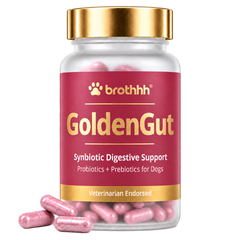
4. Transition Gradually: If your dog has been eating kibble for years, don’t switch to a full raw menu overnight. A sudden change can lead to stomach troubles (imagine eating salads and steak after a lifetime of fast food). Gradually introduce raw or ancestral foods over several days or weeks. Start by replacing a small portion of the current diet with the new food, and slowly increase the percentage as your dog adapts. Watch their stool and energy during the change since minor digestive fluctuations can happen early on. A pro tip: consider adding a probiotic during the transition to support healthy digestion, as a healthy microbiome can ease digestion of the new foods.
5. Know Your Dog: While the ancestral diet can benefit many dogs, individual needs do vary. Puppies can absolutely thrive on raw (in fact, it can be optimal for growth), but they do have higher requirements for certain nutrients like calcium. If you’re raising a puppy on an ancestral diet, ensure you’re meeting those needs or use a formulated raw diet intended for puppies. Senior dogs or dogs with certain medical conditions might need tweaks to the diet (for instance, lower fat for a pancreatitis-prone dog, or extra fiber for a dog with anal gland issues). If your dog has a compromised immune system or a specific health condition, consult with a veterinarian before making major diet changes – sometimes a lightly cooked diet may be recommended over raw in those cases. If you have a dog with chronic health issues and you’re exploring raw feeding, you may want to work with a holistic or integrative veterinarian familiar with the ancestral diet and raw feeding to build a tailored plan. Always keep your vet in the loop about your dog’s diet; even if they’re not fully on board with raw feeding, they should know what your pup eats in case of illness or medication considerations.
6. Quality and Source Matter: An ancestral diet hinges on quality ingredients. Choose human-grade, high-quality meats from trustworthy sources whenever possible. Grass-fed, pasture-raised meats tend to have better nutrient profiles including naturally occurring omega-3s in grass-fed beef. Organ meats should be fresh and ideally from animals raised without unnecessary chemicals or additives. If you’re buying commercial raw pet food or toppers, look for companies with transparent sourcing and testing practices. At Brothhh, for instance, we only use human-grade ingredients and each batch is lab-tested because transparency is central to how we operate. You can learn more on Brothhh’s About Us where we outline how scientific and ancestral principles guide our approach to nutrition and safety. Feeding raw or ancestral doesn’t mean feeding risky – with the right ingredients and care, it’s both safe and extremely rewarding.
By minding these health and safety tips, you can confidently feed an ancestral diet and enjoy the benefits without the worry. Many dogs do well on a raw or species-appropriate diet once they adjust, because the food aligns more closely with their natural digestive patterns. The key is to do it thoughtfully: balance the meals, keep everything clean, and tailor the plan to your individual dog. In no time, you’ll see your dog thriving and you’ll rest easy knowing you’re doing right by their health.
What Veterinarians Are Saying
Not long ago, if you asked a typical veterinarian about raw or ancestral diets, you might have gotten a raised eyebrow. Traditional vet training often emphasizes commercial diets, and some vets are understandably cautious about anything “homemade” or unconventional. However, an increasing number of veterinarians – especially holistic and integrative practitioners – are recognizing the value of species-appropriate dog nutrition. In fact, many are passionately speaking out in favor of feeding dogs like the carnivores they are. Here are a few insightful quotes from veterinarians who understand and support the ancestral diet for dogs:
Dr. Richard Pitcairn, DVM: “Dogs and cats, being carnivores by nature, are meant to eat raw meat and do not have a problem doing so.”
Dr. Christina Chambreau, DVM: “Meat should be raw. Cooking destroys enzymes and denatures the proteins, rendering them less digestible to cats and dogs.”
Dr. Karen Becker, DVM (Integrative Wellness Veterinarian): “Just because dogs and cats have been domesticated doesn’t mean their metabolic machinery has evolved to function on an entirely ultra-processed diet.”
Dr. Tom Lonsdale, DVM: “Dingoes and feral cats keep themselves healthy by eating whole carcasses. The closer you come to this ideal for pet dogs and cats, the better.”
These veterinarians, among many others, regularly discuss the changes they observe when dogs are fed fresh, less-processed foods. Their insights often include mentions of healthier coats, cleaner teeth, resolved allergies, and dogs simply seem more comfortable on diets aligned with an ancestral diet. Of course, not every vet will have the same viewpoint, and it’s important to have open, honest conversations with your own veterinarian about your dog’s nutrition. But the conversation is clearly shifting. As Dr. Becker and her colleagues emphasize, feeding our dogs a species-appropriate diet is about aligning with their biological needs despite the conveniences of modern life.
In the end, the ancestral diet philosophy isn’t about nostalgia or following trends – it’s about listening to science and nature and aligning nutrition with biology and choosing ingredients that respect how dogs are built to digest food. Canine bodies evolved eating raw, whole prey, and no amount of marketing can change the anatomy and physiology our dogs carry to this day. By taking inspiration from that evolutionary blueprint, we can make more informed feeding choices. Whether that’s going full raw or simply incorporating ancestral elements, many dogs benefit from the shift. As the veterinarians above note, feeding in a way that reflects canine biology can meaningfully support long-term well-being. Embrace your dog’s inner wolf – and watch them thrive!



Leave a comment
This site is protected by hCaptcha and the hCaptcha Privacy Policy and Terms of Service apply.