


If you’ve ever watched a wolf pack take down prey on a nature documentary, you may notice they instinctively target the organs first. There’s a biological reason for that: organ meats are among the most nutrient-dense foods in the animal body. In this guide, we’ll unpack the power of organ meats in your dog’s diet through the lens of ancestral, biology-aligned nutrition. You’ll learn why organ meats are so beneficial, how to incorporate nutrient-rich beef liver and heart safely, including using freeze-dried options, and simple, safe ways to add these nutrients to your dog’s daily routine.
Organ Meats for Dogs: Why They’re Vital in an Ancestral Diet
Organ meats, also known as offal, include nutrient-rich organs like liver, heart, kidney, spleen, and more. In the wild, canine ancestors instinctively consumed these tissues because they’re concentrated sources of vitamins and minerals not found in the same levels in muscle meat alone. Organ meats deliver a broad range of highly bioavailable nutrients that support key metabolic and physiological functions. They’re loaded with essentials like vitamins A, B, D, and E, along with minerals such as iron, zinc, and selenium, plus high-quality protein and healthy fats. In essence, organ meats supply the nutritional elements that help your dog thrive on a biology-aligned, carnivorous-style diet.
From an ancestral diet perspective, organ meats are crucial. A wild canine’s diet might be roughly 10% organ meat, with the rest being muscle meat, bone, and other tissues; this closely mirrors many modern raw feeding models. A small portion of liver, heart or kidney can supply significant amounts of nutrients. For example, beef liver is exceptionally rich in vitamin A and B vitamins, meaning only a few bites can meet a dog’s typical daily requirements. By feeding organ meats in reasonable amounts, you are offering your dog a nutrient profile similar to what their ancestors consumed, in a form their biology is naturally equipped to use. As committed dog owners, we want our dogs feeling strong and capable well into their older years, and a species-appropriate diet helps support long-term vitality and overall well-being.
Organ meats are sometimes called “offal,” but there’s nothing negative about the benefits they bring. Here’s a quick look at what makes them special:
-
Concentrated Vitamins: Liver and other organs are rich in fat-soluble vitamins A, D, E, and K, which support normal vision, immune function, skin health, and bone metabolism, as well as B-complex vitamins that contribute to energy metabolism, brain function, and cellular health.
-
Key Minerals: Organs contain iron, copper, zinc, and selenium, minerals that support red blood cell production, immune function, thyroid activity, and other essential processes, often in far higher levels than typical muscle meat.
-
Quality Protein & Fat: Heart and liver provide high-quality protein with all essential amino acids needed to maintain muscles and tissues. They also contain healthy fats and omega-3s, particularly when sourced from grass-fed animals, which play roles in skin and coat health.
-
Co-factors & Enzymes: Organ meats come with natural enzymes and compounds such as CoQ10, especially concentrated in the heart, and heme iron in the liver, both of which play critical roles in physiological processes, including cellular energy production and nutrient utilization.
In essence, adding organ meats gives your dog nutrients in a form their body inherently understands. It’s “real food” at its core without relying on synthetic additives. And because these organs are highly bioavailable and densely packed with nutrients, a small amount goes a long way. The goal is balance. In an ancestral-style diet, organ meats typically make up around 5–10% of total intake, which is enough to deliver benefits without overloading any single nutrient.
Beef Liver for Dogs: Benefits and How to Serve Safely
Beef liver is often called a powerhouse superfood, and for good reason. This organ is one of the richest natural sources of vitamin A, which supports your dog’s vision, skin health, and immune system. It’s also loaded with B vitamins like B12 and folate that help maintain the nervous system and support normal energy metabolism. Beef liver provides iron and copper, which are important for healthy blood cell formation. Plus, it delivers high-quality protein with essential amino acids for muscle maintenance while being relatively low in fat. Many dogs also enjoy the flavor of liver, making it an appealing way to add concentrated nutrients to their routine.
Here are some of the notable benefits of adding beef liver to your dog’s diet:
-
Improved Vision & Cognition: The high levels of vitamin A in liver support healthy eyesight and may contribute to cognitive function.
-
Robust Immune Function: Vitamins A and B12, along with zinc and copper in the liver help maintain normal immune function and overall cellular health.
-
Energy and Vitality: Liver’s B-vitamin and iron content contribute to efficient energy metabolism and steady energy levels throughout the day.
-
Healthy Skin & Coat: Vitamin A and high-quality protein support normal skin and coat maintenance.
Is beef liver good for dogs? Absolutely, when used in moderation. Because beef liver is exceptionally nutrient-dense, only a small amount is needed to offer meaningful nutrient support. A general rule of thumb is to keep the liver at around 5% of your dog’s overall diet. For a raw-fed dog, this typically comes out to a few ounces per week, depending on the dog’s size. For example, a 50 lb dog might get about 1 to 2 ounces of liver per week as part of balanced meals. This approach allows your dog to benefit from the liver’s valuable nutrients without exceeding ideal intake levels.
Why worry about excess? Liver contains high levels of vitamin A and copper, and too much of either can accumulate in the body over time. In cases of significant long-term overfeeding, a dog could develop issues related to excess vitamin A or copper. Signs of vitamin A excess may include bone or joint discomfort, weight loss, or weakness, not things we ever want our dogs to experience. The reassuring part is that such issues are easily avoided by sticking to recommended amounts. When fed at ~5% of the diet, the liver’s high zinc content actually helps balance copper absorption. Put simply, beef liver is extremely safe for dogs as long as it’s an accent to the diet, not the main course.
When introducing beef liver, start slowly. Organ eats are nutrient-dense, and jumping in too fast can upset a dog’s stomach. Begin with a small amount mixed into their regular food and observe how they respond. Most dogs tolerate it very well, but if your dog has never had organ meat, a gradual introduction is easier on digestion. Quality matters. Poorly raised animals can carry higher levels of unwanted residues, while responsible sourcing helps preserve the integrity of organ nutrients like CoQ10. A healthy liver does not store toxins, but choosing grass-fed, human-grade sources helps ensure cleaner, more reliable nutrition.
One more note: if your dog has certain health issues, talk with your vet before making liver a regular treat. Dogs with liver disease or copper storage disease may need very limited organ meats. And if your dog is on medications or has conditions such as Addison’s disease, your vet can guide you on safe amounts of vitamin A–rich foods. Every dog is different, and a quick conversation with your veterinarian will give you peace of mind. This guide is informational and not a substitute for individualized veterinary advice.
Beef Heart Benefits for Dogs: A Lean, Cardio-Boosting Protein
If liver is the vitamin buffet, beef heart is the lean muscle steak with a side of special extras. The heart is unique – it’s technically a muscle, not a gland, which means it’s high in protein and relatively low in fat, yet it’s often lumped in with organ meats because of its nutrient profile. Beef heart is an excellent source of B vitamins such as B12, riboflavin, and folate, as well as minerals such as iron, phosphorus, and zinc. What really sets heart apart, though, are two nutrients it’s famous for: taurine and Coenzyme Q10 (CoQ10). Taurine is an amino acid that plays an important role in heart function, vision, and nervous system health. CoQ10 is a compound that lives in mitochondria, your dog’s cellular “power plants,” and supports normal energy production — which is one reason heart is such a prized organ in ancestral-style feeding. It is especially concentrated in cardiac muscle and contributes to overall vitality.
So, what does all that mean for your dog? Here are the key benefits of feeding beef heart:
-
Heart Health and Stamina: Beef heart is naturally rich in taurine, which supports normal heart function. CoQ10 in heart tissue supports cellular energy production, which can contribute to healthy endurance and overall cardiovascular wellness.
-
Lean Muscle & Protein: As a pure muscle meat, the heart is packed with protein but typically much more affordable than premium cuts. It helps build and maintain lean muscle mass. Many working and athletic dogs thrive with a small amount of heart in their diet for added protein support.
-
Energy Metabolism: The B vitamins and iron in beef heart support red blood formation and oxygen transport, key factors in maintaining steady energy levels.
-
Joint and Coat Support: Surprise – the heart can help the joints, too. Beef heart contains connective tissue and collagen, which can support joint health and contribute to skin and coat wellness through normal tissue maintenance.
Another big plus: beef heart is low in vitamin A compared to liver, so there’s no direct risk of vitamin A overdose from heart alone. This makes it a bit more flexible in the diet. You can feed heart in slightly larger quantities than liver – for example, some raw diet enthusiasts include heart as up to 5–10% of the weekly diet, often replacing a portion of other muscle meat. A typical guideline is to treat the heart as a nutrient-dense muscle meat. For a medium dog, this might mean a few ounces of heart meat spread across the week. As always, balance is key; heart shouldn’t be the only thing on the menu, but it’s a valuable addition.
Like liver, beef heart should be introduced gradually if your dog isn’t used to it. Too much too fast could lead to temporary digestive upset because it’s richer than plain kibble. Most dogs handle heart meat well when it’s part of a balanced meal. Choose heart from a high-quality source, ideally grass fed or human-grade. Quality matters because nutrient composition can vary depending on how the animal was raised. Grass-fed beef heart generally offers a stronger nutrient profile and fewer unwanted residues than conventionally raised options. Trim off excess fat and gristly bits if you’re preparing it raw or lightly cooked, just to make it easier to digest.
So, is beef heart safe for dogs? Yes – absolutely. In fact, it’s often considered one of the most supportive additions for dogs needing extra nutritional density without the concerns associated with vitamin A. It’s no coincidence that “heart” is in the word “hearty” – this meat truly contributes to your dog’s hearty good health!
Is Freeze-Dried Beef Liver and Heart Safe as a Daily Supplement for Dogs?
Freeze-dried organ meat supplements have exploded in popularity, and for a good reason. They offer all the benefits of raw organ meats in a shelf-stable, convenient form. If you’re wondering whether you can give your dog freeze-dried beef liver and heart every day as a supplement, the answer is yes, when used appropriately. In fact, using freeze-dried beef liver and heart as a daily “superfood sprinkle” or treat is one of the easiest ways to mimic an ancestral diet without the mess of handling raw organs.
Let’s break down why freeze-dried organ meats are safe and how to use them daily:
1. Freeze-Drying Preserves Nutrients: The freeze-drying process removes moisture from raw organ meat at very low temperatures. So the liver or heart isn’t cooked, and many heat-sensitive vitamins, amino acids, and enzymes remain intact. What you get is essentially raw liver or heart in a dry, powdered or jerky-like form. It’s as nutritious as fresh raw organ meat, but far easier to handle. With no high heat involved, core nutrients remain stable. It’s one of the closest ways to feed raw organs in a convenient format, and many dogs absolutely love the taste.
2. Daily Use is Fine in Moderation: “Safe as a daily organ meat supplement” comes down to quantity. Freeze-dried organ meats are lightweight but nutritionally dense. Always follow the product’s feeding guidelines; reputable brands will indicate how much freeze-dried liver or heart to give based on your dog’s weight. As a general example, a small scoop (a few grams) of freeze-dried beef liver per day may be an appropriate supplement for a medium-sized dog. This equates to roughly 1/2 ounce of fresh liver, which is within safe intake levels. Offering it daily in small amounts provides steady nutrient exposure without risk of overfeeding. Many canine nutrition professionals prefer consistent small servings instead of large infrequent ones.
3. Quality and Purity Matter: Make sure any freeze-dried organ supplement you choose has one ingredient: the organ meat itself. Avoid products that include preservatives, flavorings, or fillers. The ingredient list should read “Beef liver” or “Beef heart,” period. High-quality products will also source their organs from healthy livestock (grass-fed, free-range, etc.) and typically perform safety testing. When you feed a clean freeze-dried organ treat, you can be confident you’re not exposing your dog to anything concerning. Handle freeze-dried organs with basic hygiene (i.e. clean hands, sealed storage, and a cool, dry place).
4. Convenience for You, Ancestral Nutrition for Your Dog: Perhaps the biggest benefit of freeze-dried liver and heart supplements is how easy it is to offer ancestrally inspired nutrition. Not everyone has the time (or stomach!) to source, chop, and refrigerate raw organs. Freeze-dried options solve that problem. You can simply sprinkle a bit on your dog’s regular food or offer a freeze-dried liver chunk as a daily treat. You get a convenient, clean source of nutrients, and your dog gets an appealing flavor. It also makes consistency easier, since freeze-dried organs stay fresh far longer than raw. Your dog gets steady nutrient support without added complexity.
In short, freeze-dried beef liver and heart are safe for daily use as long as you use them as intended – as a supplement, not a meal replacement. Think of them as a concentrated source of nutrients. They’re not meant to replace meals, but adding small amounts daily can complement a balanced diet. Always start with the lower end of the recommended amount to ensure your dog’s stomach agrees, then work up to the full daily dose. Most dogs tolerate freeze-dried organs well, but gradual introduction is always best.
One more important point: because organ meats are so nutrient-dense, be mindful of your dog’s overall diet when adding them daily. If your dog is on a complete and balanced commercial diet, you only need small additions to see a benefit. You can also adjust your dog’s main food portion slightly if you notice weight gain from the additional calories. Freeze-dried liver is nutrient-dense but not calorie-free. For example, if each daily scoop of organ meat adds about 30 calories, you might subtract a few kibbles from dinner to even things out. This way, your dog stays fit while reaping the health perks of their new supplement.
Lastly, keep an eye on your dog and use common sense. Every dog is different. If you ever notice digestive upset such as ongoing loose stool after introducing daily organ meat, scale back and consult your vet. It’s rare, but some dogs with sensitive stomachs might do better with every-other-day organ treats instead of daily – and that’s completely normal. And if your dog has a specific medical condition such as a history of pancreatitis or kidney issues, ask your veterinarian for personalized guidance about daily high-protein supplements. As the pet parent, you know your dog best, and working with your vet will help you make informed choices. This guide is not medical advice, and your veterinarian’s recommendations should always come first.
So go ahead, you can feel good about dusting that freeze-dried liver and heart mix onto your dog’s meals each day. It is a simple way to offer nutrient-dense, ancestral ingredients in a modern, convenient format. In the next section, we’ll look at how to seamlessly fit organ meats into your routine and even make it easier on yourself.
Ancestral Nutrition Made Easy: Tips for Feeding Organ Meats
You might be thinking, “Alright, organ meats sound amazing for my dog – but how do I actually start using them?” No need to worry; it’s easier than it looks. Feeding organ meats can be as simple or as involved as you want it to be. Here are some tips to make incorporating these nutrient powerhouses into your dog’s diet easy and stress-free:
Start Small and Gradual
If organ meats are new to your dog, introduce them little by little. For example, replace 5% of your dog’s dinner with a bit of chopped organ meat or a sprinkle of organ powder, and observe how they do. After a few days, you can increase that to 10%. This gradual approach helps your dog’s digestive system adjust. Most dogs will have no issues, you may notice positive changes like a shinier coat or increased appetite for dinner. But going slow ensures there’s no stomach upset.
Choose a Feeding Method that Suits You
There are a few ways to feed organ meats, so pick what fits your lifestyle:
-
Raw fresh organ meats: If you’re comfortable, you can buy raw liver, heart, etc. from the butcher, cut them into small portions, and freeze what you won’t use in a day or two. Serve raw or lightly seared (no seasoning!). This is the most “ancestral” method and preserves nutrients, but it requires sourcing and prep time.
-
Lightly cooked organs: Gently cooking, for example, simmering liver in water or flash-searing heart slices, can make organs more palatable to some dogs and eases your worries about surface bacteria. Don’t overcook – just a few minutes is enough to kill germs while retaining most nutrients. Remember no spices or onions/garlic, just plain.
-
Freeze-dried or dehydrated organs: As discussed, this is the most convenient option. Freeze-dried organ meat toppers or treats come ready to serve. Crumble a freeze-dried liver treat over kibble, or measure out a recommended scoop of organ powder. It’s clean and quick. Dehydrated (air-dried) organs are similar – they’re usually given as treats. Both options are great for busy pet parents.
Many people find a combination works best: you might give a fresh raw organ meal on special “raw days” and use freeze-dried bits the rest of the week. Find what makes you and your dog happiest. The goal is consistency and ensuring they actually eat it because it’s only nutrition if it gets into the bowl and into the dog.
Mix Organs into Meals
Some dogs will happily eat a plain piece of liver; others might be a bit hesitant with new textures or strong organ flavors. If your dog is in the latter camp, try mixing organ meats into their regular food. Finely dice or puree the organ and stir it into their bowl along with their favorite food. The other flavors and smells will mask it, and your dog will naturally dine on a superfood blend. For freeze-dried powders, this is even easier – just sprinkle and stir. Mixing also ensures that organ meats, which can be rich, get digested along with other food, which can improve tolerance.
Monitor Your Dog’s Response
As you incorporate organ meats, keep an eye on your dog’s response. Positive signs to look for over a few weeks include improved coat sheen and softness, higher energy during play, better muscle tone, and even increased enthusiasm at mealtime since many dogs naturally love the taste of liver. You might also notice smaller, well-formed stools as nutrients are absorbed efficiently. Alternatively, watch for any warning signs: persistent loose stools, vomiting, or a reduced appetite may indicate that you are feeding too much organ or introducing it too quickly. Simply cut back for a few days and progress more slowly. In most cases, any minor digestive upset is temporary as your dog adjusts since organ meats are rich and the gut may need time to adapt.
Integrate with a Balanced Diet
Organ meats are a supplement to a balanced diet, not a standalone diet. Always feed organs in the context of your dog’s overall nutrition. That means plenty of good-quality muscle meat, a source of calcium if you’re preparing food at home, and other nutrients as required. If you’re feeding a commercial food, organs become a topper or mix-in. You can reduce the main food portion slightly to make room for the calories from organs, maintaining your dog’s ideal weight. This way, organ meats enhance the diet instead of unbalancing it. Aim for roughly 5 to 10% organ meat overall, which aligns with an ancestral-style profile. Variety also helps; beef liver and heart are all-stars, but down the line you can try other organs like kidney or spleen for a broader nutrient spectrum (if your dog tolerates them). Many pet parents find that rotating organ types keeps their dog excited while supporting a more complete nutrient profile.
Make It Realistic: Use the Right Tools
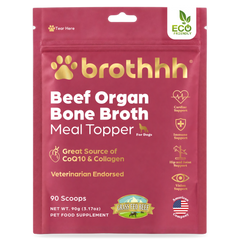
Let’s be honest – handling raw liver isn’t everyone’s favorite task. If sourcing and chopping organs every week feels daunting, there’s no shame in opting for ready-made solutions. This is where high-quality organ meat supplements shine. You could absolutely source fresh liver, heart, kidney, spleen, and pancreas and prepare them yourself, but many people find that unrealistic long-term. Products like Brothhh’s grass-fed organ meat topper are designed to make implementation easier. Brothhh’s meal topper freeze-dries those same nutrient-rich beef organs (liver, heart, kidney, pancreas, spleen) along with protein-rich bone broth into a scoopable powder – so you get the full ancestral nutrition profile without turning your kitchen into a butcher shop. There are only six ingredients in this topper: beef liver, heart, kidney, pancreas, spleen, and bone broth protein. No fillers, no flavorings, no synthetic additives. It’s a prime example of keeping things real and transparent. You know exactly what you’re giving your dog, and it’s all the good stuff.
Using a product like this can be a convenient and reliable option for busy dog owners. Instead of worrying about balancing organ proportions yourself, you can scoop a measured amount of a professionally formulated mix onto your dog’s food each day. You’ll have confidence that it’s vet-approved and nutritionally sound. (Brothhh’s topper was developed with veterinary guidance and obsessive research behind the scenes). And it’s not just convenient – it’s also naturally appetizing to dogs. Organ meats have a strong aroma that dogs find irresistible, and when you add a bit of that freeze-dried sprinkle, even picky eaters tend to lick their bowls clean. It taps into the same appeal dogs have for raw and fresh foods, even if they’re eating kibble or cooked meals. This approach bridges the gap between knowing organ meats are beneficial and actually getting them into the bowl consistently. Consider products like these as your helping hand, a practical, everyday way to deliver ancestral nutrition without added complexity.
Whether you go DIY or use a convenient supplement, you’re doing something amazing for your dog by including organ meats. It’s a simple dietary upgrade that supports overall vitality — something you’ll see reflected in brighter eyes, better energy, and an eager tail wag. You also get peace of mind knowing you’re feeding real, honest ingredients aligned with a dog’s natural biology.
Your Next Step: Fuel Your Dog’s Best Life
You’ve now got the knowledge and tools to elevate your dog’s nutrition with organ meats – so what’s the next step? Go ahead and give it a try! Maybe start this week by adding a teaspoon of freeze-dried beef liver powder to your dog’s dinner or swapping out a few kibbles for a chunk of cooked heart. Observe the joy on your dog’s face (dogs have an innate taste for these meaty, rich flavors), and keep an eye on their well-being over the next days and weeks. Chances are you’ll notice positive shifts such as a healthier coat, steady energy, or a stronger interest in mealtime.
For health-conscious pet parents, this is a rewarding journey. You’re drawing inspiration from ancestral nutrition and applying it in a modern, practical way. That’s something to feel good about! Remember the simple rule of balance – organ meats are powerful, but they work best as part of a complete, well-rounded diet. Keep your dog on a quality base diet, and use organ meats to enrich and supplement that foundation. If you ever feel unsure about amounts or your dog’s unique needs, don’t hesitate to consult your veterinarian or a canine nutritionist. A quick professional check-in can confirm you’re on the right path.
At Brothhh, we’re deeply committed to making this journey easier for you. We created our organ meat and bone broth topper so that the benefits of an ancestral diet are accessible to any dog owner, even if preparing raw organs from scratch isn’t realistic. It’s about taking that extra, thoughtful step that lets you feel confident you’re giving your dog something genuinely meaningful and making it simple. Real food, real science, real care. That’s the foundation behind everything we make, and now it can be part of your daily routine with your dog.
So here’s a practical challenge: try an organ meat routine for a month. Jot down a few notes on day 1, maybe your dog’s coat condition, energy level, and any issues. Then commit to a consistent schedule of organ supplementation (be it 2–3 times a week or daily in small doses). At the end of the month, note the changes. Chances are, you’ll notice something meaningful. Many owners notice meaningful improvements over time as their dog’s nutrition becomes more complete, both inside and out.
As always, make any adjustments as needed and listen to your pet. This process isn’t one-size-fits-all, but it is one natural and time-tested path to canine wellness. By embracing organ meats in your dog’s diet, you’re reconnecting them with their heritage as carnivores and providing a depth of nutrition that processed foods alone often lack. It’s a beautiful way to honor your dog’s inner wolf while also pampering the beloved family member in front of you.
Ready to see the difference ancestral nutrition can make? The next step is in your hands – or rather, in your scoop. Tonight, when you prepare your dog’s meal, consider adding that nutrient-rich boost. Your dog may not know the term “organ meats” or understand the concept of an ancestral diet, but they will definitely appreciate the delicious flavor and the way they feel. Here’s to fueling their best life, one organ-rich bite at a time. Happy feeding!
Every bowl is a chance to nourish your dog in a meaningful way, and organ meats help make that nourishment count.


Leave a comment
This site is protected by hCaptcha and the hCaptcha Privacy Policy and Terms of Service apply.