


Every dog owner wants their dog to stay healthy and resilient. A robust immune system is the key defender against everything from common colds to serious illnesses. But what’s the best way to boost your dog’s immune system? The answer isn’t found in a quick-fix pill or a gimmicky supplement – it lies in everyday nutrition. By feeding a dog an immune-boosting diet rich in natural, nutrient-dense foods, you can build your dog’s immune defenses from the ground up. This article explores how organ meats, bone broth, antioxidant-rich whole foods, and smart feeding strategies can strengthen your dog’s immunity for the long run naturally.
What Supports a Strong Canine Immune System?
A dog’s immune system is a complex network that relies on many nutritional building blocks. Vitamins play a vital role – for example, vitamin A supports healthy skin and mucous membranes (the body’s first barrier against germs), while vitamins C and E act as antioxidants to protect cells. Minerals such as zinc and selenium are equally important - they aid in the production of immune cells and enzymes that fight infection. Quality protein provides amino acids (like glutamine and arginine) which are the building blocks for antibodies and help repair body tissues. In short, without adequate vitamins, minerals, and amino acids, a dog’s immune defenses can’t perform at their best.
Other foundational factors include hydration and gut health. Water might seem simple, but it’s essential for circulating nutrients and flushing out toxins – a well-hydrated dog can more effectively eliminate waste and support immune cell activity. Meanwhile, the gut does far more than digest food. In fact, roughly 70% of your dog’s immune system resides in the gut, where trillions of beneficial bacteria help fend off pathogens and train the immune system to react appropriately. A balanced gut microbiome, supported by fiber and prebiotics in the diet, produces nutrients like short-chain fatty acids that reduce inflammation and strengthen the intestinal barrier. When you support your dog’s gut health, you’re directly supporting their immunity.
Why Diet is the Foundation of Immunity
“You are what you eat” applies to dogs just as much as it does to us. Your dog’s daily diet is truly the cornerstone of their immune health. Nutrient-rich, whole foods provide the fuel and raw materials that immune cells need to function. By contrast, a diet lacking key nutrients can weaken immune responses over time, leaving your dog more vulnerable to illness. This is why improving your dog’s immunity naturally starts with the food bowl, not the medicine cabinet.
Consider that a dog’s gastrointestinal system is intimately linked to immune function – a healthy diet nurtures the gut environment, which in turn fortifies immunity. Feeding highly processed foods full of fillers and artificial additives may keep a dog fed, but not necessarily truly nourished. Over time, a poor diet can lead to inflammation, oxidative stress, and an off-balance immune system that overreacts (causing allergies or autoimmune issues) or underreacts (resulting in frequent infections). On the other hand, a balanced, whole-food diet provides the vitamins, antioxidants, and proteins that help maintain a strong, balanced immune response. In short, diet isn’t just one factor in immunity – it’s the foundation.
It’s also important to note that no singular superfood or vitamin can make up for a generally poor diet. Consistency and balance are key. When your dog’s meals are made up of wholesome ingredients every day, you’re continually fueling their immune system. Over weeks and months, this consistent nutrition builds a resilient immune foundation. There’s simply no shortcut or magic pill that can replicate the synergistic benefits of real foods in the bowl.
Top Nutrient-Dense Foods for Immunity
So, what exactly should go into an immune-boosting dog diet? Focus on whole, unprocessed ingredients that deliver a high concentration of nutrients. Here are some of the top foods for dog immunity and how they help:

-
Organ Meats (Liver, Heart, etc.): Often called nature’s multi-vitamin, organ meats are packed with vitamins A, B-complex, and minerals like iron and zinc. For example, beef liver is rich in vitamin A for mucosal health and iron for red blood cells, while beef heart provides CoQ10 and taurine which support heart and immune function. Small amounts of organ meat in the diet can significantly boost your dog’s intake of immune-supportive nutrients.
-
Bone Broth: This nutrient-dense broth is a powerhouse for the immune system. Simmering bones releases collagen, gelatin, amino acids (such as glycine and proline), and minerals into the broth. These components help seal and soothe the gut lining, support joint health, and provide hydration. Bone broth also contains compounds like glucosamine and chondroitin. The American Kennel Club notes that a quality bone broth provides a wide range of essential nutrients that enhance your dog’s immune system’s ability to fight diseases and recover from illness. In short, it’s like a comforting immune tonic you can pour over your dog’s meals.
-
Pumpkin: Plain cooked or canned pumpkin isn’t just for Halloween – it’s a fantastic daily booster. Pumpkin is loaded with fiber, which feeds healthy gut bacteria and supports regular digestion. It also provides beta-carotene (a source of vitamin A), vitamin C, vitamin E, and potassium. These nutrients support your dog’s immune system, skin health, and more. Just a spoonful of pumpkin puree added to meals can help regulate the GI tract and provide antioxidant vitamins that strengthen immune defenses.
-
Sardines or Other Oily Fish: Fish like sardines are one of the best natural sources of omega-3 fatty acids (EPA and DHA), which have potent anti-inflammatory effects. Chronic inflammation can weaken the immune system, so adding omega-3–rich foods helps keep inflammation in check. Sardines also supply quality protein, vitamin D, and selenium. Choose unsalted, canned sardines packed in water and you’ll be giving your dog a protein-packed treat that can improve coat, joint, and immune health. Even a small fish or two per week can make a difference.
-
Leafy Greens: Dark leafy vegetables such as spinach, kale, and dandelion greens are loaded with vitamins (A, C, K) and minerals (calcium, magnesium) plus phytonutrients. Antioxidants in leafy greens help eliminate free radicals before they can damage cells. Greens also provide fiber to nourish gut bacteria. Because dogs can’t break down raw greens efficiently, it’s best to serve them finely chopped, steamed, or pureed. Mixed into food, greens act like a natural multivitamin and detoxifier to support overall wellness.
-
Berries: Colorful berries (blueberries, strawberries, cranberries) are famous for their high antioxidant content. Blueberries in particular are packed with flavonoids and vitamin C, which help protect cells from oxidative damage and support a healthy immune response. These fruits also offer fiber and are relatively low in sugar, making them an excellent dog-friendly treat. A few berries as a snack or meal topper can contribute to your dog’s daily antioxidant needs. In fact, antioxidant-rich foods like blueberries are often hailed as superfoods for dogs, thanks to their immune-boosting properties.
-
Eggs: Eggs are a complete protein source and incredibly nutrient-dense. A single egg provides high-quality protein along with vitamins A, D, B12, riboflavin, and selenium. Notably, eggs are a great source of selenium – a mineral that supports immune function and thyroid health. They also contain zinc and small amounts of omega-3s, especially if from free-range hens. Lightly cooked eggs - scrambled or boiled with no seasoning - can be an easy topper or occasional meal for your dog. They help build strong muscles and contribute to a robust immune system. Just be sure to cook them to reduce any bacteria risk and introduce the eggs gradually.
By incorporating these whole foods, you’re layering your dog’s diet with natural vitamins, antioxidants for dogs, and proteins that work synergistically to bolster immunity. Remember, moderation is key – these foods are potent, so small daily additions or a few times a week is enough to deliver benefits. Rotate a variety of these ingredients to cover a broad spectrum of nutrients and keep your dog’s meals interesting!
Antioxidants and Gut Health: The Hidden Players
Two often overlooked factors in immune strength are antioxidants and gut health. We’ve touched on them, but they’re worth a closer look. Antioxidants are compounds that neutralize free radicals – unstable molecules that can damage cells. Every day, your dog’s body is exposed to free radicals from normal metabolism, environmental toxins, and even intense exercise or stress. If unchecked, free radicals cause oxidative stress that can impair immune cells and lead to inflammation or chronic disease. Antioxidant nutrients like vitamin C, vitamin E, beta-carotene (from carrots and pumpkin), and selenium act as the cleanup crew. They donate electrons to stabilize free radicals, effectively disarming them. By including antioxidant-rich foods (berries, leafy greens, pumpkin, organ meats rich in selenium, etc.) in your dog’s diet, you help maintain cellular health and reduce the workload on the immune system. In fact, a diet full of antioxidants is essential for a strong immune system throughout your dog’s life – it helps them age more gracefully and may even improve cognitive function in senior dogs. Think of antioxidants as a rust protectant for the body: they keep everything running smoothly so the immune system isn’t distracted by needless damage.
Now let’s talk about gut health, the other “hidden” player. We already know a huge portion of the immune system is centered in the digestive tract. The gut is home to a diverse community of microbes (the microbiome) that have a symbiotic relationship with your dog. Beneficial bacteria help digest food and synthesize certain vitamins, but they also crowd out harmful microbes and stimulate the development of the immune system. A healthy gut flora essentially trains the immune system, teaching it which incoming microbes are friends and which are foes. It also helps maintain the integrity of the intestinal lining, preventing unwanted toxins or pathogens from leaking into the bloodstream. If the gut bacteria balance is disturbed by a poor diet or antibiotics overuse, the immune system can become either underactive or overactive - reacting to things it shouldn’t. To support gut health, include prebiotic fibers and fermented foods when possible. Ingredients like pumpkin, sweet potato, and chicory root provide soluble fiber that feeds good bacteria. Fermented foods like a bit of plain yogurt or kefir, if your dog tolerates dairy can introduce beneficial probiotic strains. Even bone broth contributes gelatin that can help heal the gut lining. By nurturing your dog’s gut, you create a strong foundation for their immune system to thrive. It’s truly a hidden world inside the belly, working behind the scenes to keep your dog healthy.
Whole-Food vs. Synthetic Immune Support: What Matters Most
With the rise of pet supplements, you might wonder if you should buy “immune boost” pills or powders for your dog. There are indeed many dog immune system supplements on the market, from chewable multi-vitamins to herbal extracts. While some supplements can be beneficial in certain cases, it’s critical to understand that no supplement can replace the foundation of a healthy diet. When it comes to supporting your dog’s immune system, nutrients from whole foods matter most.
Here’s why: Nutrients in whole foods come packaged with all their natural co-factors – the vitamins, minerals, antioxidants, enzymes, and other compounds that help those nutrients absorb and function optimally in the body. For example, an actual piece of liver contains not just vitamin A, but also vitamin B12, copper, protein, and fat, which all interact beneficially. This natural synergy is hard to replicate in a lab. Synthetic vitamins and isolated compounds might meet minimum requirements on a label, but they often aren’t utilized by the body as efficiently. In some cases, high doses of isolated vitamins (like megadoses of vitamin C or D) can even put stress on the liver or kidneys over time, or throw other nutrients out of balance.
Whole-food nutrition provides a balanced, bioavailable form of immune support. Dogs’ bodies have evolved to digest and draw nutrients from real foods – muscle meat, organs, plants – over thousands of years. By sticking to these natural sources, you ensure your dog’s immune system is getting nutrition it recognizes and can readily use. Meanwhile, synthetic “immune boosters” should be seen as supplementary at best, not primary. If you do use supplements, think of them as the icing on the cake – the cake being a wholesome diet. For instance, you might add a probiotic or a fish oil capsule if recommended by your vet, but those won’t help much if the core diet is poor.
Not all supplements are created equal, either. Whole-food-based supplements, like a powder made from real organ meats and bone broth, retain the complex nutrient profile of the source ingredients, making them more like concentrated food than a synthetic vitamin. These can be great for filling gaps in nutrition. In contrast, a product that’s just a mix of synthetic vitamins might give megadoses of some nutrients that simply get peed out or not absorbed because the body needs the right context to use them. There’s also the risk of “kitchen-sink” supplementing – giving too many separate pills for immunity, joints, skin, etc., which can inadvertently lead to excesses or interactions.
Bottom line: Prioritize whole foods for immune support. By improving your dog’s daily nutrition, you cover most of their needs in a safe, natural way. Use supplements sparingly and strategically, ideally under guidance from a veterinarian. A scoop of pumpkin or a sprinkle of organ meat powder on dinner will do far more good for your dog’s immune system than a bunch of synthetic additives pressed into a treat. The goal is a stronger immune system from the inside out, built on real nutrition that truly nourishes.
How to Incorporate Immune-Boosting Toppers Daily
Knowing about all these healthy foods is one thing – actually adding them to your dog’s diet is another. The good news is it’s easy to start small. You don’t have to overhaul your dog’s entire feeding routine overnight. Instead, think of these additions as toppers or mix-ins that enhance your dog’s regular meals. Below are some simple ways to work immune-boosting foods into each day.
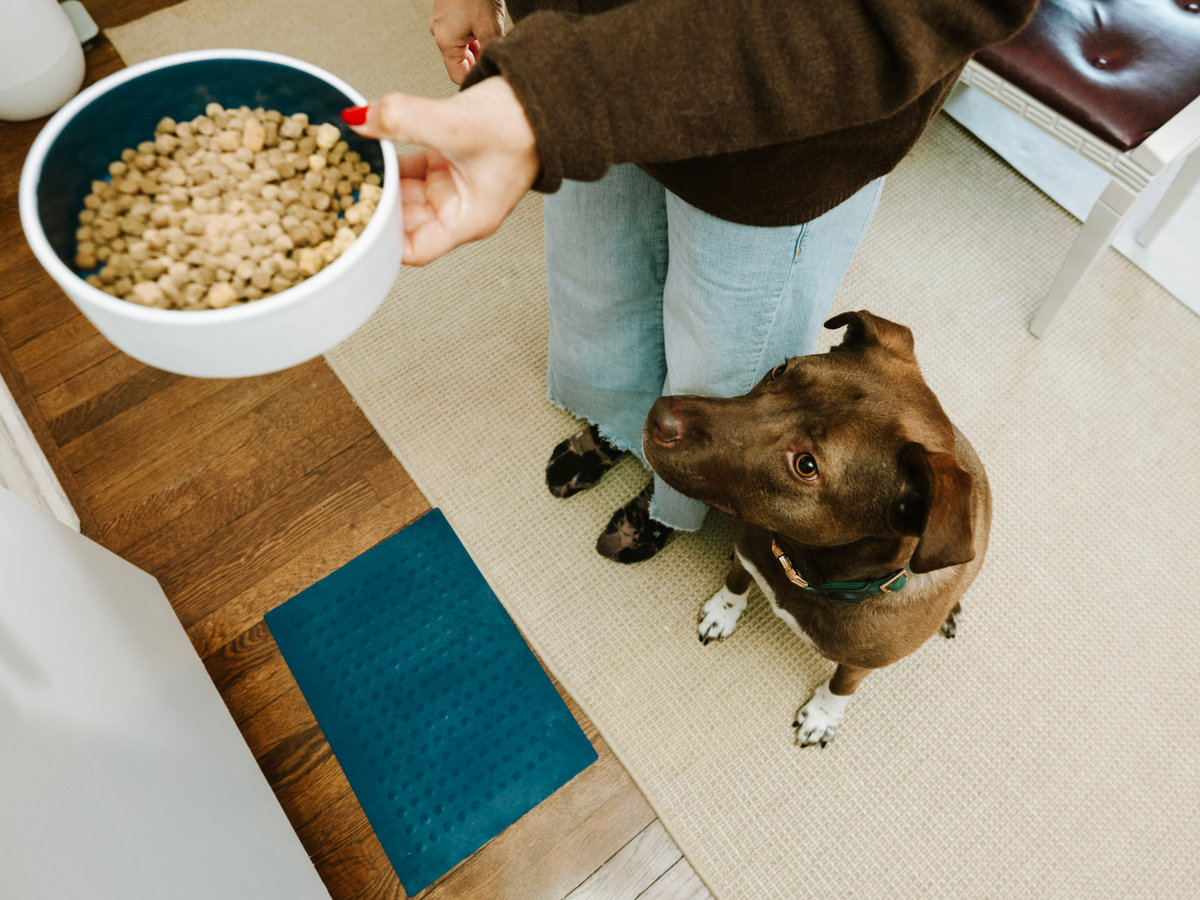
Start by introducing one thing at a time. For example, you might begin with a spoonful of plain pumpkin on top of your dog’s dinner. Most dogs love the taste, and it blends right in with wet or dry food. Pumpkin is gentle on the stomach, so it’s a great first topper to try. Once your dog is enjoying that, you can rotate in other toppers on different days.
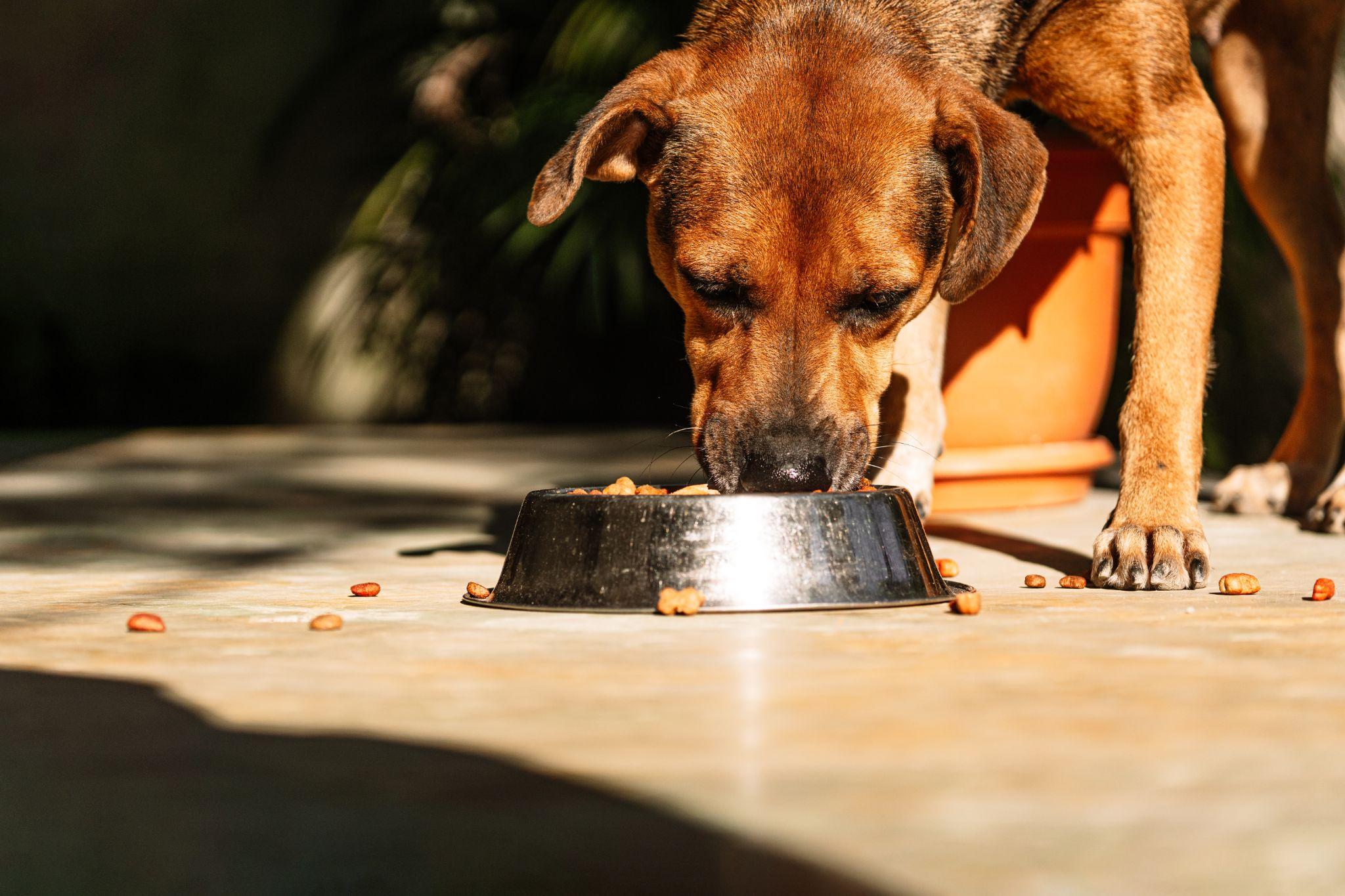
Use small, appropriate portions. A little goes a long way with nutrient-dense foods. You might sprinkle a teaspoon of ground dehydrated liver or a commercial organ meat topper onto the meal – it will smell and taste enticing to your dog. Or add one mashed sardine into the bowl a couple of times a week. For bone broth, you can pour a bit of unsalted broth over the kibble or use a powder as directed. Always tailor the amount of topper to your dog’s size: a Chihuahua only needs a tiny fraction of what a Labrador would get. The idea is to supplement the meal, not unbalance it.
Make it a routine. Pick one meal a day to consistently include a topper. For instance, every morning you mix in a half egg scrambled or a spoonful of kefir. In the evening, perhaps it’s fish day twice a week, so Monday and Thursday dinners get a sardine added. By having a routine, you’ll remember to include these boosters regularly, and your dog will come to expect and enjoy them.
Mix and match whole foods. Variety ensures a broader nutrient intake. Maybe Monday you add egg, Tuesday you add blueberries as treats, Wednesday you do a scoop of bone broth powder, Thursday pumpkin, Friday a few bites of cooked chicken giblets or liver, and so on. Rotate through the list of immune-friendly foods so your dog benefits from all of them over time. Plus, a rotating menu keeps dogs interested and excited for meals!
Mind your dog’s tolerance. Whenever adding new foods, observe your dog’s digestion. It’s normal to see a little change in stool when introducing something new like sardines or organ meat – but it should be minor and temporary. If a particular topper doesn’t agree with your dog (e.g., causes loose stool), pause and try a smaller amount next time or introduce it more gradually. Every dog is different. Most dogs, however, handle these natural foods very well especially in modest portions. Always avoid any known allergens or intolerances your dog has.
By using these strategies, you’ll be layering extra immune support onto your dog’s meals in a seamless way. It can be as simple as “scoop, sprinkle, or stir” to supercharge an ordinary bowl of kibble or canned food. Over time, these daily extras become a habit – you’ll find it only takes an extra minute or two, and the payoff in your dog’s vitality and health is well worth it.
Simple Immune Boost Plan: What a Day Might Look Like
To tie it all together, let’s visualize a sample day of meals and snacks that incorporate immune-boosting foods. This plan assumes a dog eating two meals per day. Adjust specifics based on your dog’s size and dietary needs, but the overall idea will be the same for any breed or age.
-
Morning Meal: Serve your dog’s regular breakfast (e.g. quality kibble or wet food). Stir in 1–2 teaspoons of plain canned pumpkin to add fiber and vitamins. Crack a freshly cooked egg on top for a medium-large dog or use half an egg for a smaller dog. Mix it all together and let it soak for a minute to absorb flavor. The egg provides protein and selenium and this nutrient-boosted breakfast is still familiar to your dog, but now includes extra vitamin A, E, and protein to start the day.
-
Mid-Day Snack: Instead of calorie-laden commercial treats, give an immunity-friendly snack. For example, offer a few blueberries or a strawberry, which most dogs will eat like treats. You could also give a small cube of cooked beef heart or a freeze-dried liver treat. This satisfies your dog’s desire for a snack while sneaking in antioxidants or organ nutrients. Don’t forget to provide fresh water along with any snack – hydration works hand-in-hand with nutrition.
-
Evening Meal: At dinnertime, add a different topper to keep things interesting. You might rehydrate a bit of bone broth and pour it over the food or use a pre-made bone broth for dogs. The broth aroma will make the meal extra appealing and provides collagen and amino acids that support immune function and joint health. Additionally, you can crumble a bit of unsalted, canned sardine into the bowl. The sardine brings omega-3 fatty acids to help fight inflammation. If you didn’t include an egg in the morning, you could add one here (scrambled with no seasoning). By alternating the add-ins between the morning and evening meals, you’re giving a broad spectrum of nutrients across the day without overloading one meal.
This sample day is just one of many possibilities. The idea is to consistently include a couple of whole-food boosters in your dog’s daily routine. Over a week, you might rotate in other elements: one day a bit of steamed spinach mixed in, another day some pumpkin and kefir, another day an egg with a sprinkle of liver powder. By envisioning a daily plan, it becomes clear that it’s not hard to fit these things in – and once you see your dog’s excitement for the added flavors, you’ll know they’re on board too!
Why Brothhh Makes It Easy
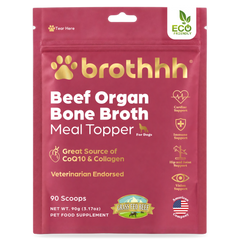
All these recommendations sound great – but what if you’re a busy dog owner? Getting fresh organ meats or simmering bone broth at home isn’t always practical for everyone. That’s exactly why we created Brothhh’s Beef Organ & Bone Broth Complex meal topper for dogs. It’s a simple, one-step way to give your dog the benefits of organ meats and bone broth every day, without any hassle or mess. This powdered topper is made from five nutrient-rich, grass-fed beef organs (like liver, heart, and kidney) blended with bone broth protein. In each scoop, your dog gets a concentrated source of vitamins, minerals, collagen, and amino acids derived directly from whole foods. Essentially, it’s an immunity and wellness boost in a form that’s as easy as sprinkling a seasoning.
The brilliance of this approach is in its convenience and consistency. You can literally just scoop and serve – no cooking or prep work needed. Because it’s a dry powder, it stores easily and has a long shelf life, so you don’t have to worry about chopping organ meat or opening a can of broth every few days. Dogs absolutely love the taste - we’ve found that even picky eaters can’t resist the rich, meaty flavor! By adding our topper to your dog’s bowl, you’re layering on whole-food immune support in seconds, which fits perfectly into even the busiest schedule.
At Brothhh, our mission is grounded in bringing ancestral nutrition to modern dogs in a convenient way. We believe dogs thrive when fed as nature intended – with real, nose-to-tail ingredients – and we’re passionate about making that feasible for everyday pet owners. Our Beef Organ & Bone Broth Complex was formulated based on scientific research and developed with veterinary input. In fact, many veterinarians have endorsed this approach, noting that the mix of organs and collagen can support immune function, joint health, and overall vitality in their patients. You can read more about the nutritional science behind our topper on our Science page, where we break down the benefits of each ingredient and why they matter for your dog’s health. We take a truth-forward stance – no fad ingredients, just proven nutrients delivered in a form your dog’s body can readily use.
Perhaps the best part is that incorporating Brothhh’s topper into your routine doesn’t feel like adding a supplement at all – it’s simply enhancing the food your dog already eats. It’s a whole-food solution, not a synthetic additive. If you’ve been looking to improve your dog’s diet and boost their immune system through nutrition, this is an easy and reliable way to start. Simply scoop onto your dog’s regular meal, and you’ve instantly upgraded their bowl with organ-derived vitamins, natural antioxidants, and protein that supports a healthy immune response.
We’re confident as both dog lovers and nutrition nerds that focusing on diet is one of the most caring things you can do for your dog’s health. Little daily steps – like adding a topper, or a spoon of pumpkin, or a handful of berries – truly add up over time. It’s about building that immune foundation brick by brick. We hope this guide has empowered you with knowledge and practical tips to improve your dog’s immunity naturally. If you’re curious to learn more and continue your canine nutrition education, feel free to explore our blog for more articles and guides. Here’s to helping your dog live a longer, healthier, tail-wagging life through the power of real food!

Leave a comment
This site is protected by hCaptcha and the hCaptcha Privacy Policy and Terms of Service apply.