


Pet parents today have higher standards than ever when it comes to what’s in the dog bowl. Gone are the days of blindly trusting a bag of kibble without question. Instead, we’re demanding human-grade dog food made with real, high-quality ingredients and transparent labels. Why? Because quality and transparency aren’t just nice-to-haves, they make a tangible difference in our dogs’ health, trust, and happiness. Let’s break down what “human-grade” really means, why it matters, and how upgrading to better ingredients (even as simple as adding a grass-fed organ meat topper) can benefit your furry family member.
Human-Grade vs Feed-Grade Pet Food: What’s the Difference?
Not all dog food is created equal. The key distinction comes down to “human-grade” versus “feed-grade” standards.
-
Ingredients & Handling: Human-grade dog food uses only ingredients fit for human consumption, and every ingredient and final product is handled in accordance with strict human food processing standards. In practical terms, it’s made from the same quality meats, veggies, and grains you’d put on your own plate, in kitchens or facilities certified for human food. Feed-grade pet food, in contract, uses ingredients approved only for animal consumption. These may include lower-quality by-products, rendered meals, fillers, and artificial preservatives, and are produced in animal feed facilities with far lower sanitation requirements.
-
Safety & Quality: Because human-grade products follow human food safety regulations (AAFCO and FDA guidelines for human-edible food preparation), they are held to higher standards for cleanliness, sourcing, and formulation. There’s no room for mystery meats or questionable additives. Feed-grade foods operate under looser guidelines, as long as it’s “safe for animal consumption,” it can go in the bag. That opens the door to things that wouldn’t be allowed in human food. Think artificial colors, BHA/BHT preservatives, or vague “animal digest” and “meat by-product” ingredients that don’t specify source or quality.
-
Transparency in Labels: Human-grade pet food brands tend to be far more transparent about what exactly you’re feeding your dog. You’ll see clearly identified ingredients (e.g. “chicken breast, sweet potato, blueberries”) and often information about sourcing (“grass-fed beef from XYZ Farm”). Feed-grade labels often use generic terms (“meat by-products,” “poultry meal”) that make it hard to know what you’re really getting. The difference in transparency is huge. One tells you the whole story, the other leaves you guessing.
The bottom line: human-grade dog food is held to the same standards as the food we serve our family. Feed-grade is the old status quo – acceptable for animals, but not something most of us would ever eat ourselves. Understanding this difference is the first step in choosing better nutrition for your dog.
Why Quality Ingredients Matter for Your Dog’s Health
Quality ingredients aren’t about boutique marketing; they have real, biological benefits for your dog. Here’s why upgrading to premium, human-grade ingredients can make a noticeable difference:
-
Better Nutrition from Real Foods: Human-grade recipes are packed with recognizable whole foods – real cuts of meat, vegetables, fruits, and herbs – loaded with naturally occurring vitamins and minerals. Your dog gets nutrients in their most bioavailable form, as nature intended, rather than relying on a cocktail of synthetic vitamins sprayed onto over-processed kibble. For example, a scoop of food made with real beef, carrots, and spinach provides vitamin A, B-vitamins, iron, and antioxidants in a form a dog’s body can readily use. High-quality ingredients = high-quality nutrition.
-
Fewer Fillers & Allergens: Because feed-grade foods often prioritize cost over quality, they tend to include cheap fillers (corn, wheat, soy) and meat by-products that can trigger food sensitivities. Many dogs with chronic itching, digestion issues, or dull coats improve when switched to diets with simple, pure ingredients. Human-grade dog food typically avoids common allergens and unnecessary additives. With nothing mysterious hiding in the bowl, sensitive dogs often experience less itching and tummy trouble when eating cleaner, more limited-ingredient diets.
-
Higher Digestibility (Yes, Less Poop to Scoop): Fresh, minimally processed diets are easier for dogs to digest than highly processed kibble. More of the food is absorbed as nutrition, and less comes out the “other end.” In fact, a university study found that dogs fed a fresh, human-grade diet had significantly smaller stool volume – up to 66% less – than dogs fed a typical dry dog food. In practice, that means your dog is deriving more energy and nutrients from their food, and you’re left with less waste to pick up. Smaller, firmer stools and a happier gut are tangible signs of a diet that’s working better for your dog.
-
Safer, Cleaner Food: With human-grade production, the risk of contamination by things like salmonella, mold, or foreign materials is much lower. Pet food recalls in past years have made owners understandably anxious. Choosing human-grade gives extra peace of mind that every batch was made in a clean kitchen under food-safe procedures. It also means the ingredients were sourced from the regulated human food supply chain – no condemned or diseased meat sneaking in. When quality is this high, you can feed your dog with confidence and trust.
In short, using quality ingredients in dog food isn’t about luxury or spoiling your pet – it’s about delivering better nutrition and health outcomes. Everything from your dog’s energy level and coat shine to their digestion can improve when you prioritize real, wholesome ingredients over processed feed-grade fillers.
Transparency in Dog Food: Why It Builds Trust
Quality is one side of the coin. Transparency is the other. Today’s devoted dog owners (ourselves included) want to know exactly what we’re feeding our best friends. Dog food transparency means no vague labels or secret recipes – it’s all about honesty and clarity. Here’s why transparency matters:
Knowing What’s In the Bowl: Dogs can’t read labels, but we sure can. When a brand openly lists every ingredient (and even the sourcing and purpose of those ingredients), it empowers you to make informed choices. You can avoid ingredients you know your dog doesn’t tolerate well, and you can select foods that align with your standards (for example, choosing a brand that uses only sustainably sourced, human-grade meats). Transparency takes the guesswork out of feeding your pet. Instead of wondering if “meat meal” secretly includes low-grade scraps, you’ll see real meat names like chicken liver or beef heart on the label.
Accountability and Safety: A transparent company is essentially saying, “We have nothing to hide.” They welcome your scrutiny. This attitude goes hand-in-hand with higher quality – if a brand is proud to show you the exact breakdown of ingredients and even nutritional analysis, it’s a good sign they stand behind their product. On the flip side, when pet food companies hide behind phrases like “proprietary blend” or only provide minimal information, it can be a red flag. Unfortunately, many mass-market pet foods use generic terms to mask subpar ingredients. By demanding transparency, pet owners have pushed the industry toward better practices. We’ve already seen positive changes: more brands are sharing detailed sourcing info, publishing test results, and educating consumers about their processes. This is how trust is earned back in an industry that has seen its share of recalls and scandals.
Pet Parents as Partners: At Brothhh, we view transparency as an essential part of our relationship with our customers. We believe you have a right to know exactly what you’re feeding your dog and why we chose each ingredient. (After all, we love dogs more than humans, and we prove it by what we put in their bowl.) We list every single ingredient in plain English – no smoke and mirrors. For example, if a topper contains beef liver, heart, kidney, pancreas, spleen, and bone broth protein, you’ll see each of those listed clearly. You’ll also know that each one is 100% human-grade and grass-fed. This level of openness helps you as an owner feel confident and informed. When you can trace ingredients to their source and understand their nutritional role, you’re not just buying dog food – you’re investing in your dog’s health with eyes wide open. Transparency is one of our core values, and we encourage all pet owners to seek out brands that uphold that same standard of honesty.
In summary, transparency in dog food isn’t a trendy buzzword – it’s a fundamental shift in the pet food world. It means pet companies treating pet owners like the intelligent, caring guardians we are, and giving us the information to make the best decisions for our dogs. Quality ingredients and clear transparency go hand in hand to build trust.

Benefits of Switching to Human-Grade, Grass-Fed Organ Meat Toppers
Maybe you’re not ready to overhaul your dog’s entire diet to a fresh-cooked or raw program. That’s okay – even small changes can yield big benefits. One approachable way to boost your dog’s nutrition is by adding a human-grade grass-fed organ meat topper to their regular food. These powdered or freeze-dried grass-fed dog supplements deliver concentrated nutrients and flavor, essentially upgrading any meal you sprinkle them on. Here are some of the benefits of switching your dog to a high-quality organ meat topper:
-
Nose-to-Tail Nutrition: Organ meats are among the most nutrient-dense foods available for dogs. In the wild, canines instinctively eat the organs of their prey first because they’re packed with vital vitamins and minerals. By adding a topper made of grass-fed organs (like liver, heart, kidney, etc.), you’re mirroring this ancestral nutrition. Beef liver, for instance, is loaded with vitamin A for vision and immune support, B vitamins for energy and brain function, iron for healthy blood, and zinc for skin and coat health. Muscle meat alone (the bulk of most kibbles) can’t provide these micronutrient levels. A grass-fed organ blend essentially acts as a whole-food multivitamin for your dog, delivered in a form their body inherently recognizes and can easily utilize.
-
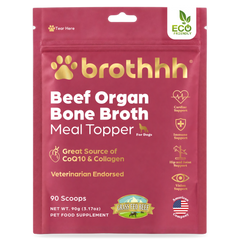
Joint, Gut, & Immune Support: Many organ toppers – especially those that include bone broth or connective tissue – bring more than just vitamins to the table. For example, our Beef Organ & Bone Broth Complex topper combines grass-fed organ meats with dehydrated beef bone broth. The bone broth contributes collagen, gelatin, glucosamine and chondroitin, which help maintain healthy joints and cartilage (great for senior dogs or large breeds). Those same compounds also nurture the gut lining and aid digestion. Meanwhile, organ meats contribute key amino acids like taurine (crucial for heart health) and nutrients like CoQ10 (an antioxidant that supports heart and cellular health). The result is a broad spectrum of support: stronger joints, a more resilient immune system, and a happier tummy. You might notice your dog moving more comfortably and even having a shinier coat after a few weeks of adding a quality topper.
-
Enhanced Palatability & Appetite: Let’s not forget one simple benefit – organ meat toppers are delicious to dogs. The rich aroma and taste of organ meats and bone broth can entice even picky eaters to finish their kibble. If your dog is bored with their food or has been turning up their nose, a sprinkle of a savory topper can make mealtime exciting again. This is a gentle way to introduce better nutrition; your dog just thinks they’re getting a tasty treat on top of their food. For underweight or finicky dogs, this extra palatability can encourage a healthier appetite. And for dogs who already love their food, well, they’ll love it even more (think of it as gourmet seasoning that also happens to be extremely healthy).
-
100% Natural and Transparent: A high-quality, human-grade topper made from grass-fed organs contains no weird fillers or artificial flavors – it’s literally just dried, ground-up wholesome organ meat (and in some cases, a bit of bone broth protein). That means you know exactly what you’re adding to the bowl. There’s no “proprietary blend” mystery. Each component serves a purpose, and you can pronounce all of them. Given that these toppers are human-grade, they’re produced with the same care as human supplements or foods. You can dose your dog’s meal with confidence, knowing you’re avoiding the additives and low-grade inputs that plague so many pet products. It’s a simple, transparent upgrade to the nutrition profile of whatever diet you currently feed.
All in all, switching your dog to a human-grade grass-fed organ meat topper (or incorporating one alongside their regular food) is a win-win. Your dog gets a powerhouse of nutrients and flavor, and you get the reassurance that you’re providing species-appropriate benefits without any junk. Even dogs on premium kibble or home-cooked diets can benefit from the added boost organ toppers provide, plugging any nutritional gaps with nature’s original superfoods.

Making the Switch: How to Choose and Transition to Better Food
Ready to elevate your dog’s diet? You don’t necessarily have to change everything overnight. Here are some practical, educational next steps to consider:
-
Read the Label on Your Current Dog Food: Take a moment to flip over your dog’s food bag or can and scan the ingredients list. Do you recognize the majority of ingredients as real foods, or is it a long list of meat “meals,” by-products, and chemicals? Identifying where you stand is the first step. If the ingredients sound more like a chemistry experiment than dinner, it might be time to explore an upgrade.
-
Look for Key Quality Markers: When researching new foods or toppers, look for phrases like “100% human-grade ingredients” and “made in a human food facility.” Check that the company provides detail on their sourcing (e.g., grass-fed beef, free-range chicken, non-GMO veggies). A lack of detail might indicate corners are being cut. Also, avoid products loaded with cheap fillers, artificial preservatives (like BHA/BHT), or vague terms (“animal digest,” “natural flavoring”). High-quality products are proud to tell you exactly what’s in them and where it comes from. Learn about the science behind these ingredients to understand why each component is included.
-
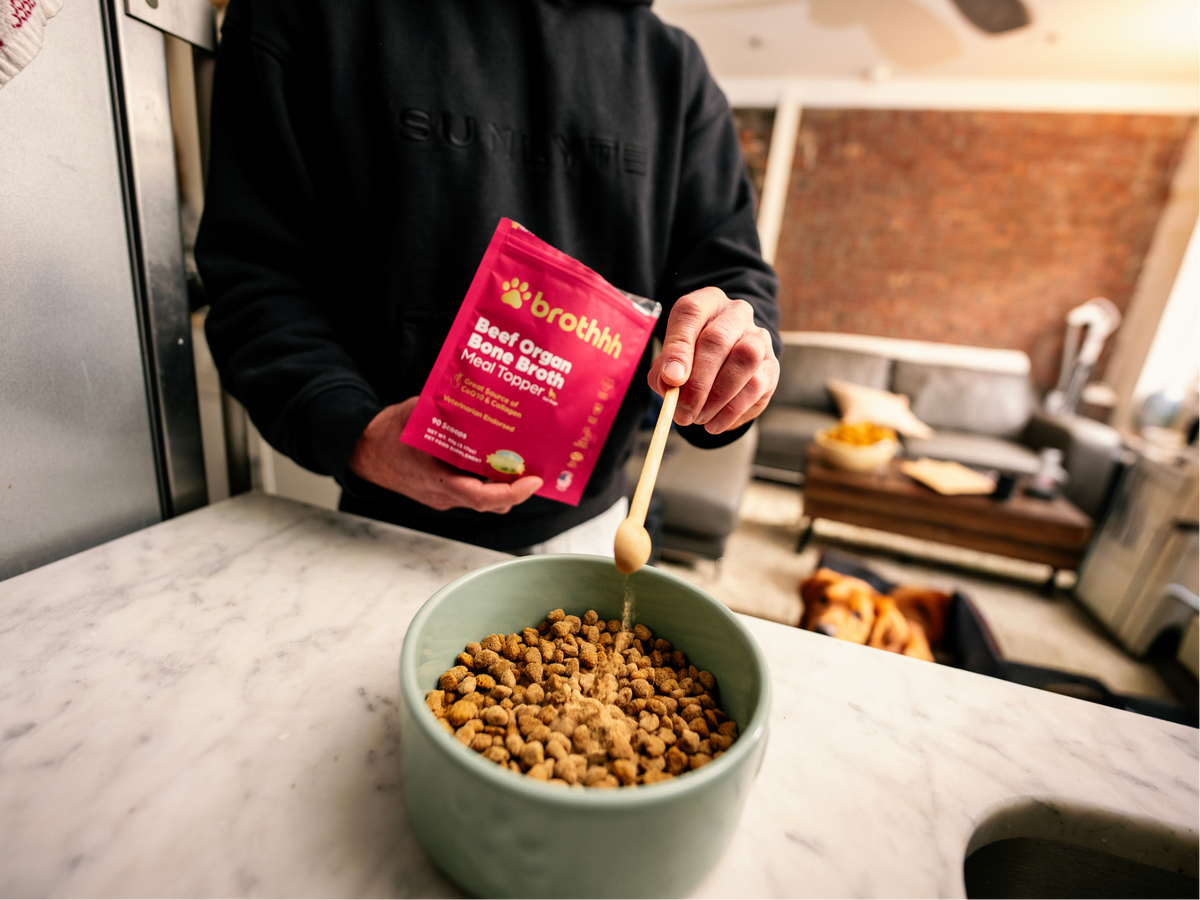
Start Small and Transition Gradually: If you decide to switch your dog to a new primary food, do it slowly over a week or two, mixing increasing amounts of the new food with the old to avoid upsetting your dog’s stomach. If you’re adding a topper, introduce a small sprinkle first and see how your dog likes it (chances are, they’ll love it). Gradual change is especially important if your dog has a sensitive tummy, but the good news is that many dogs experience improved digestion on human-grade additions. Still, moderation is key – toppers are potent, so a little can go a long way in terms of nutrition and flavor.
-
Observe the Benefits: After a few weeks on higher-quality, transparent nutrition, watch for positive changes in your dog. Common improvements owners report include: more energy and playfulness, shinier coat and healthier skin, better stool consistency (often smaller and less smelly), and even things like reduced gas or itching. Every dog is different, but the overall vitality that comes from better food is usually noticeable. These real-world results will reinforce that you’ve made a smart choice.
-
Consult Resources and Experts: Continue educating yourself on canine nutrition. Reputable sources like veterinary nutritionists, the American Kennel Club, or veterinary blogs can offer guidance on specific needs (e.g., joint support, weight management) and how diet plays a role. And don’t hesitate to consult your veterinarian, especially if your dog has any health conditions. Bringing up the topic of human-grade food or supplements with your vet can open a useful dialogue – many vets are happy to see owners taking an interest in better nutrition.
In the end, choosing food and supplements that prioritize quality ingredients and transparency is one of the best investments you can make in your dog’s well-being. Our dogs give us unconditional love and loyalty; feeding them with the same care and standard we’d feed ourselves is a simple way to return that love. By switching to human-grade options – even if it’s just mixing in a grass-fed organ meat topper – you’re taking a concrete step toward a healthier, happier life for your canine companion. And when you see your dog’s eyes light up at mealtime (and notice the positive changes that follow), you’ll know why quality and transparency truly matter.

Leave a comment
This site is protected by hCaptcha and the hCaptcha Privacy Policy and Terms of Service apply.