


What Nose-to-Tail Nutrition Means for Dogs
Nose-to-tail nutrition is the practice of feeding a dog the whole animal, not just muscle meat, but also organs, bones, and connective tissues. This approach mirrors the whole-prey diet dogs evolved to eat. In the wild, wolves and ancestral dogs consumed their prey nose-to-tail, gaining a broad spectrum of nutrients from liver, heart, kidneys, bone marrow, and more. Simply put, “whole-animal nutrition” means including the nutrient-dense parts often missing from modern pet food. Today, many dog owners are rediscovering this approach. By using grass-fed beef organs and bone broth supplements, nose-to-tail nutrition for dogs can be incorporated into any routine without needing a freezer full of raw meat. It’s a biologically aligned way to support canine health, delivered in a convenient, modern format.
Nose-to-tail feeding isn’t a fad; it’s rooted in canine biology. Dogs evolved as carnivores that consumed every edible part of their prey. A true nose-to-tail dog diet delivers not only protein and calories, but also the vitamins, minerals, and amino acids concentrated in organs and bones. This stands in contrast to most kibble, which relies on heavily cooked muscle meat, grains, and synthetic additives. A nose-to-tail approach incorporates nutrient-dense organ meats, often called offal, along with natural collagen from bones to support whole-body health. Importantly, it’s about balance. It doesn’t mean feeding only organs, but integrating them as a critical component of a complete diet. The result is a more comprehensive nutrition profile, one that aligns with how our dogs are biologically designed to process nutrients.
Why Dogs Thrive on Organ Meats and Bone Broth
Organ meats and bone broth are often considered superfoods in canine nutrition. That’s because they deliver a level of nutrient density that muscle meat and kibble alone can’t match. Organs like liver, heart, and kidney are Mother Nature’s multivitamins, naturally rich in essential vitamins (A, B complex, D), minerals (iron, zinc, selenium), and key compounds like taurine and CoQ10 that support heart health and metabolic health. These are the most nutrient-dense parts of the animal and were consistently consumed by ancestral canines as part of a whole-prey diet. When organ meats are incorporated nose-to-tail into a dog’s diet, they provide concentrated nutrition that supports energy, immune function, and overall vitality.
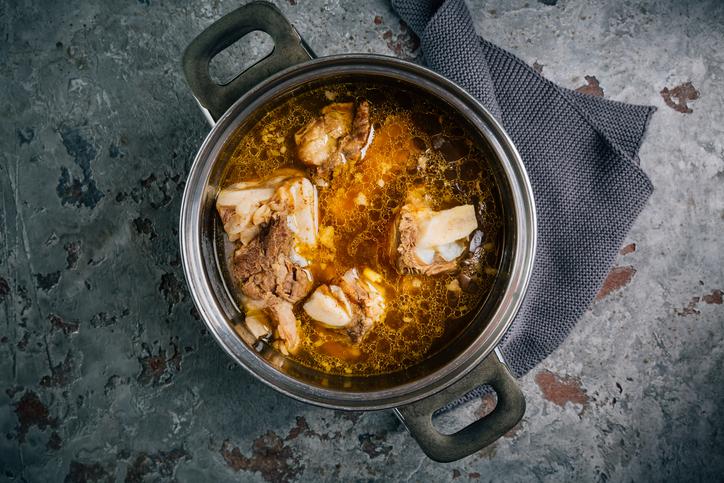
Bone broth complements organ meats as a functional addition to canine nutrition. Simmering bones and connective tissues releases collagen, gelatin, glucosamine, chondroitin, and a range of amino acids into a nutrient-rich broth. For dogs, this supports joint health, digestion, and hydration. Collagen and gelatin act as structural support, helping cushion joints and support the digestive tract. Bone broth is also gentle on the stomach, which is why veterinarians often recommend it for dogs recovering from illness or managing sensitive digestion. Its high moisture content further supports hydration, especially for dogs that don’t naturally drink enough water. When dogs consume organ meats alongside bone broth, they receive a broad spectrum of nutrients that support skin and coat health, heart function, immune resilience, and skeletal health. Dogs may not notice ingredient sourcing, but their bodies respond to the quality and nutrient density.
The Nutritional Role of Each Key Organ
Each organ in a nose-to-tail regimen offers unique nutritional benefits for dogs. Below is a breakdown of the five key organs and the role each plays in nose-to-tail pet nutrition.
-
Liver: Often called “nature’s multivitamin,” liver is rich in vitamin A, multiple B vitamins including B12 and folate, iron, and copper. These nutrients support vision, immune function, red blood cell production, and cellular energy. Because liver is highly nutrient-dense, small amounts go a long way. When used appropriately, it can support coat health, immune resilience, and normal detoxification processes.
-
Heart: Technically a muscle, heart is a concentrated source of taurine and Coenzyme Q10, two nutrients crucial for cardiac health and cellular energy production. Taurine supports healthy heart rhythm and muscle contraction, while CoQ10 plays a role in mitochondrial energy output. Heart also provides collagen and elastin, contributing to connective tissue and skin integrity. Including beef heart in the diet supports cardiovascular health and sustained energy.
-
Kidney: Beef kidney provides B vitamins particularly B12 and riboflavin, along with selenium and zinc. Kidneys are involved in the production of erythropoietin, a hormone that supports red blood cell formation. When included in the diet, kidney supplies nutrients that support oxygen transport, nervous system function and metabolic health.
-
Spleen: The spleen is a lesser-known but valuable organ meat that is high in iron and naturally contains immunoglobulins (antibodies). The iron in spleen is highly bioavailable and supports healthy red blood cell levels and oxygen delivery. Its nutrient profile aligns with immune function and energy maintenance.
-
Pancreas: The pancreas offers something unique: natural digestive enzymes such as amylase, proteases, and lipase, which assist in breaking down carbohydrates, proteins, and fats. Including pancreas in the diet can support digestion and nutrient absorption, particularly for dogs consuming processed diets like kibble. It also supplies vitamin B12 and additional nutrients that contribute to overall metabolic function.
Together, these organ meats create a comprehensive nutrient profile that extends beyond what muscle meat alone can provide. Each organ supports a physiological function from immune and cardiovascular health to digestion and energy metabolism. It’s a key reason why a nose-to-tail dog diet is more nutritionally comprehensive than a diet of just muscle meat. The liver supports immune function and vision, the heart supports cardiovascular strength and energy production, kidney and spleen support blood health and immunity, and the pancreas supports digestion. By rotating or combining these organs, including in a blended organ supplement, dogs can benefit from true whole-animal nutrition.
How Bone Broth Supports Joints, Digestion, and Hydration
Bone broth might sound like a trendy wellness drink, but for dogs it’s a tried-and-true staple that offers serious health benefits. Start with joint support: bones and connective tissue are loaded with collagen, and when we make broth from them, that collagen dissolves into the liquid along with gelatin and naturally occurring compounds like glucosamine and chondroitin. These are the building blocks of healthy cartilage and joints. When dogs consume bone broth, they receive targeted joint nutrition that can help keep their hips, knees, and elbows moving smoothly. It’s not a cure-all for arthritis, but it’s a supportive boost that can complement a joint-health regimen and help older dogs stay more comfortable and mobile.
Digestion also gets a helping hand from bone broth. The gelatin in broth has a soothing effect on the gut lining, which can improve digestive integrity and nutrient absorption. Amino acids from broth, such as glycine and glutamine, are known to support the intestinal lining and assist in liver detoxification. This makes broth a gentle way to help dogs with sensitive stomachs or those recovering from gastrointestinal upset. In fact, adding warm bone broth over food can help encourage appetite while remaining easy on an inflamed digestive system. It’s essentially dog comfort food with a purpose.
Another big benefit of bone broth is hydration. Dogs on kibble diets often live in a mild state of dehydration because dry food lacks moisture. Pouring a rich broth over kibble or even offering it as a separate drink can significantly increase a dog’s water intake. One Brothhh customer, for instance, found that mixing a scoop of beef bone broth powder into water encouraged his dog with early-stage kidney issues to drink nearly a pint of additional fluid a day, improving overall hydration. Even if your dog isn’t sick, proper hydration supports kidney function and systemic health. Broth just makes hydration more appetizing. The key is to use a dog-safe broth with no added onions, excessive salt, or seasonings. A quality, grass-fed beef bone broth or powder provides these benefits without unnecessary additives. In summary, bone broth is more than a flavorful addition. It supports joint health, digestion, and hydration in a simple, biologically aligned way.
Common Gaps in Modern Diets That Nose-to-Tail Toppers Fill
Most commercial dog foods today, especially kibble, are formulated to meet basic nutritional requirements, but “basic” isn’t always optimal. There are several common gaps in modern diets that a nose-to-tail approach can help fill:
-
Lack of organ-derived micronutrients: Kibble typically relies on vitamin and mineral premixes to meet standards, because the actual ingredients, like rendered meat meal and grains, don’t naturally provide enough of certain nutrients. What’s missing? The richness of real organ meats. For example, vitamin A in most dog food is added as a synthetic supplement, whereas fresh liver provides a safe, natural source of vitamin A along with other co-factors. B vitamins, iron, and trace minerals in kibble might come from synthetic additives, whereas heart, kidney, and spleen deliver these in highly bioavailable forms. A nose-to-tail topper, rich in organ meats, can supply these missing whole-food micronutrients and antioxidants that make a difference in a dog’s vitality.
-
No collagen or joint nutrients: A bag of dry food has essentially zero collagen content. Dogs consuming only kibble aren’t getting the benefits of collagen, gelatin, or glucosamine unless those are added artificially, which is uncommon in standard foods. This gap is especially relevant for active dogs or seniors that could benefit from additional joint support. Adding a collagen-rich topper like bone broth or a powdered bone broth protein gives dogs those joint-cushioning compounds that their regular food lacks. It’s an easy way to fortify their diet for better joint, skin, and coat health.
-
Low moisture and palatability: Kibble diets are very low in moisture, usually 10% or less, which means dogs must drink significantly more water to stay fully hydrated. Many dogs also find plain kibble boring, especially if they’re picky eaters or older with dulled senses. Nose-to-tail nutrition addresses both issues: a broth or wet organ blend topper adds much-needed moisture to the meal and makes the food far more enticing. The rich aroma of liver or bone broth can entice a dog who normally snubs dry food to eagerly finish their bowl. This not only ensures they get the calories and nutrients they need, but also helps increase fluid intake for better digestion and kidney function.
-
Missing enzymes and probiotics: Commercial diets are cooked at high temperatures, which destroys natural enzymes. Dogs produce their own digestive enzymes, but adding some via foods (like the natural enzymes in raw pancreas or green tripe) can aid digestion. A high-quality organ blend supplement can include enzymes sourced from pancreas to support gut function. This can improve nutrient absorption and reduce issues like excessive gas or stool volume. In essence, nose-to-tail toppers can reintroduce some of the functional components that processed food lacks.
The beauty of a nose-to-tail topper is that it acts like a safety net for nutrition. It’s there to cover the bases kibble might miss, and to do so with real food ingredients rather than synthetic additives. For dog owners feeding even the best kibble, adding a scoop of grass-fed organ meats and bone broth is like moving from adequate nutrition to truly optimal whole-animal nutrition for dogs. These toppers don’t replace the core diet. They enhance it. They’re especially valuable for dogs on restricted diets or home-cooked meals that may lack variety. And for dogs who eat fresh or raw diets, nose-to-tail additions are already a cornerstone (raw feeders often adhere to an 80/10/10 whole-prey diet – 80% meat, 10% bone, 10% organ – precisely because it delivers comprehensive nutrition). No matter what you feed as a base, almost any dog can benefit from the added depth that organ and broth supplements provide.
How to Incorporate Nose-to-Tail Nutrition Safely into Any Dog’s Diet
When introducing organ meats and bone broth into your dog’s routine, a bit of care and strategy will ensure it’s done safely and effectively. Here are some tips to keep in mind:
-
Start slow and small: Dogs respond well to rich flavors, but their digestive systems need time to adjust to new foods. If your dog isn’t used to eating organ meats, begin with very small amounts mixed into their regular food, such as a teaspoon of liver or a splash of broth. Over a week or two, you can gradually increase the quantity. This slow introduction helps prevent any digestive upset or loose stool that can occur when new, nutrient-dense foods are introduced.
-
Mind the 10% rule: Even though organ meats and broths are highly beneficial, they are supplements to a balanced diet, not a replacement. Veterinarians and resources like PetMD suggest that all “extras” in your dog’s diet, including treats and toppers, make up no more than about 10% of their daily calories. The remaining 90% should come from a complete and balanced dog food. Following this guideline helps enhance nutrition without creating imbalances. For example, if a dog eats 500 kcal a day, toppers should account for roughly 50 kcal. A sprinkle of a nutrient-dense topper like Brothhh’s Beef Organ & Bone Broth Complex is formulated to provide a big nutrient boost in just a few calories, making it easy to stay within this range.
-
Choose high-quality, dog-safe sources: Quality matters when it comes to nose-to-tail feeding. Use organ meats from reputable sources, ideally grass-fed, pasture-raised animals, to avoid contaminants and maximize nutrient content. If feeding fresh organs, handle them properly by keeping them frozen or refrigerated, and use them within safe time frames. For bone broth, use a pet-specific broth or an unsalted homemade broth. Never give broth that contains onions, garlic, high salt, or other seasonings that are toxic or too harsh for dogs. When in doubt, look for products made specifically for dogs. For example, Brothhh’s grass-fed beef organ topper is formulated without fillers or unnecessary additives, ensuring only functional ingredients go into the bowl.
-
Integrate with meals (don’t just “top”): When you add a nose-to-tail supplement, mix it well into your dog’s regular food rather than just sprinkling it on top. This encourages your dog to eat their whole meal rather than selectively picking out certain components. Mixing also helps the flavors and nutrients distribute evenly. Powdered or freeze-dried organ blends should coat the food evenly, while liquid bone broth can be poured over the meal and allowed to soak briefly. The goal is a cohesive meal that delivers balanced nutrition in each bite.
-
Monitor your dog’s response: As these additions become part of the routine, observe your dog for changes, both positive and negative. Positive signs might include a healthier coat, smaller stool volume indicating better nutrient absorption, increased enthusiasm at mealtimes, or improvements in energy and joint comfort. Temporary soft stool or mild digestive upset can occur if organ meats are introduced too quickly. If your dog has an underlying health condition, consult your veterinarian before making diet changes. Many veterinarians support whole-food additions, particularly for dogs with specific needs, such as pancreas support for digestive conditions or added hydration through broth. The key is adjusting the approach based on the individual dog.
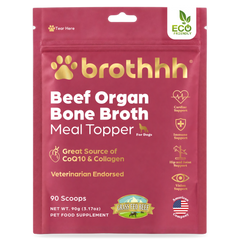
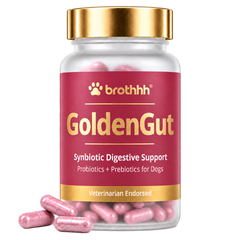
One of the easiest and safest ways to practice nose-to-tail feeding is through a high-quality prepared topper. For instance, Brothhh’s grass-fed beef organ and bone broth topper offers a mess-free option that delivers the benefits of five different organ meats plus bone broth in a convenient powdered format. Because it’s freeze-dried and formulated in the right ratios, there’s no need to worry about overfeeding individual organs or handling raw meat at home. It’s a simple and consistent way to give your dog an ancestral boost: just scoop and serve. Whether supporting a picky eater or maintaining the health of an already thriving dog, integrating nose-to-tail nutrition can be as straightforward as adding a daily topper. With consistent use, many dog owners notice improvements in coat quality, energy levels, and overall vitality.
Observational Success from Real Dog Owners
Nothing speaks louder than real-world experience. Many dedicated dog owners have shared their success stories after introducing nose-to-tail elements into their dogs’ diets, especially using convenient organ-and-bone-broth toppers. Here are a few noteworthy observations from the field:
-
Revived appetite in picky eaters: Time and again, owners report that a sprinkle of organ meats or a splash of broth turned mealtime from a chore into a consistent routine. Dogs that previously walked away from kibble began finishing meals more reliably. For example, one Brothhh customer noted that her dog “started eating right away when I added Brothhh to her food,” a common theme among reviews. The rich taste of liver and broth can improve palatability, making it easier for dogs to meet their daily nutritional needs.
-
Healthier coats and more energy: Several weeks into consistent nose-to-tail supplementation, owners often notice subtle but meaningful improvements in their dog’s coat quality and overall energy. It’s not hype or magic – it’s the result of dense nutrition finally reaching the cells. One Brothhh customer shared that her senior dog’s coat became shinier and softer, and he had a bit more spring in his step after adding the organ blend to his diet. Another reported “overall energy and coat shine” improving within a month. These outcomes align with the known benefits of nutrients such as vitamin A, B vitamins, and collagen in supporting skin, coat, and muscle health.
-
Improved hydration and digestion: Some of the most practical observations come from dogs with specific health needs. As mentioned earlier, a dog in early kidney disease showed better hydration after her owner began mixing bone broth powder into her water daily. By happily drinking nutritious broth, the dog stayed hydrated in a way she never did with plain water, helping to flush her kidneys effectively. In another case, a dog with sensitive digestion experienced fewer upset episodes once a broth and organ topper was added – likely because the gelatin in the broth helped settle the gut. These are everyday examples of nose-to-tail nutrition filling the gaps where standard diets fell short, enhancing quality of life for the dogs in tangible ways.
Across these observations, the outcomes are measurable and consistent rather than dramatic or exaggerated. We’re not talking about miracle cures or overnight transformations, but gradual, meaningful improvements such as increased appetite consistency, improved coat condition, better hydration, and digestive comfort. At Brothhh, we value these stories because they reinforce the role of whole-animal nutrition in supporting long-term canine health. They demonstrate how organ meats and bone broth contribute to visible functional benefits when used consistently.
Nose-to-tail nutrition for dogs isn’t just a trend for the ultra-holistic. It’s a practical, science-backed approach grounded in canine biology. By incorporating the whole animal, we align nutrition with how dogs are designed to process and utilize nutrients. Whether through a fully raw diet or a thoughtfully formulated organ and bone broth topper, this approach delivers results that are observable over time. It’s transparent, biologically aligned, and effective.


Leave a comment
This site is protected by hCaptcha and the hCaptcha Privacy Policy and Terms of Service apply.