


In a world where vet-recommended dog supplements line pet store shelves and online shops, it’s vital to know how to sniff out the truly safe, high-quality options for your dog. Every dog owner wants their dog to thrive, but not all supplements are created equal. Unlike medications, most canine vitamins and nutraceuticals aren’t strictly regulated – meaning it’s up to us (with our veterinarians’ guidance) to ensure we choose safe dog supplements that deliver on their promises. What does a veterinarian-approved dog supplement look like? It comes down to a few key qualities. Below, we break down exactly what to look for in a vet-approved dog supplement – from ingredient quality to safety checks – so you can confidently pick vet-trusted products that will genuinely benefit your dog’s health.
Veterinary Oversight & Expertise
There’s a reason the best supplements are vet-formulated and vet-recommended: veterinary expertise ensures a product is necessary, safe, and effective for your dog’s needs. Always discuss any new supplement with your veterinarian before starting – your vet can confirm if your dog actually needs it, suggest the right type and dosage, and check that it won’t conflict with any medications or conditions. Reputable brands often have veterinarians on staff or consult veterinary nutritionists when developing their products. Companies that work with vets (or are vet-owned) tend to prioritize pet health over hype, making their supplements more trustworthy. In short, a supplement that your own veterinarian approves of – or one developed under veterinary guidance – is far more likely to be beneficial and safe. By choosing vet-trusted dog vitamins and supplements, you’re tapping into professional knowledge and avoiding trial-and-error with your dog’s health.
Quality Ingredients & Transparent Labels
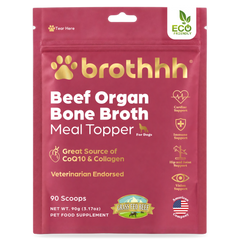
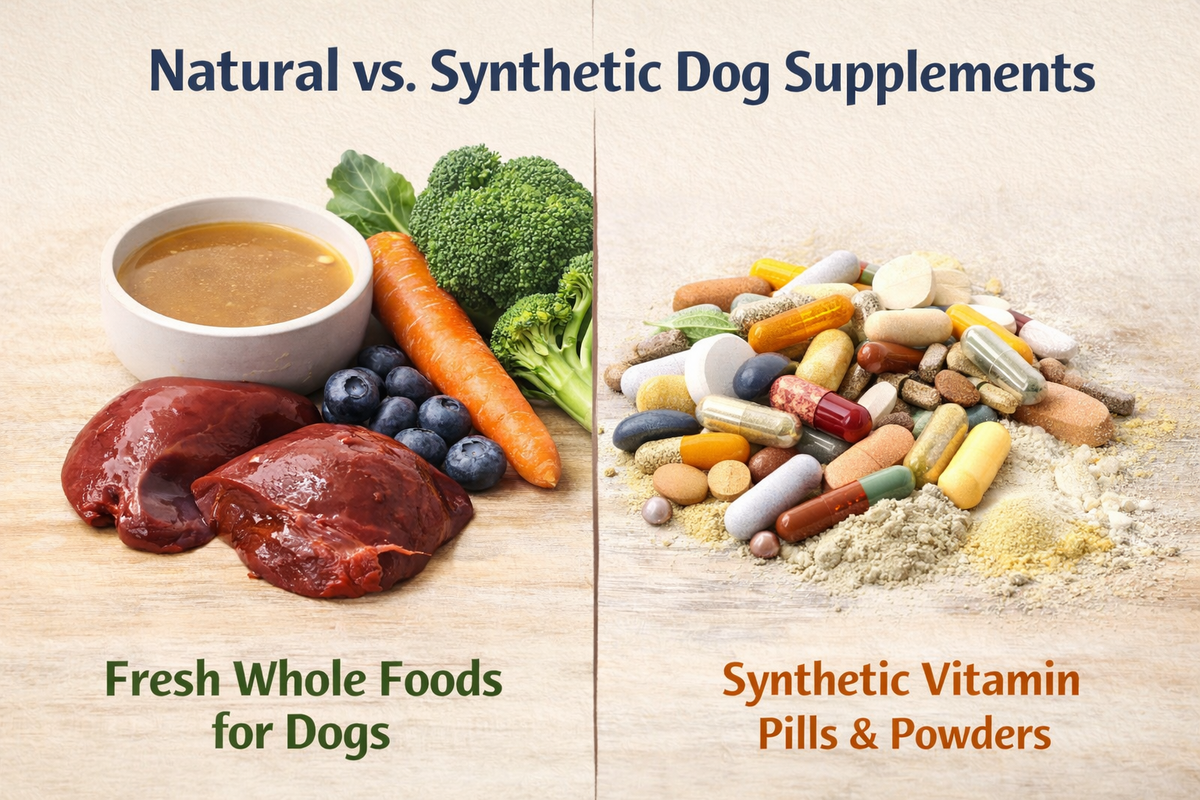
Ingredient quality and transparency are cornerstones of any vet-approved supplement. Look for products made with premium, natural ingredients that you recognize. Whole-food sources like real meats, fish oils, or vegetables often trump synthetic fillers. For example, a vet-approved, grass-fed beef organ and bone broth supplement for daily dog nutrition leverages nutrient-rich organ meats and bone broth to provide vitamins, minerals, amino acids, and collagen in a form dogs instinctively thrive on. High-quality sourcing matters: seek out phrases like “grass-fed,” “pasture-raised,” or “human-grade” on the label. These indicate the ingredients (e.g. beef liver, heart or bone broth) come from carefully raised, clean sources rather than lower-quality byproducts. Just as important is full label disclosure – the supplement’s label should clearly list every active and inactive ingredient, with no mystery “proprietary blends” hiding what’s inside. You should also see info like the manufacturer’s name and contact, lot number, and an expiration date, which shows the company is serious about accountability and freshness. In short, transparency is key: if a company openly shares what’s in their product and where it comes from, you can have far more confidence in its quality. If you can’t find an ingredient list or the source of those ingredients, consider that a red flag and move on to a more transparent option.
Safe Manufacturing & Third-Party Testing
Because the supplement industry isn’t as tightly regulated as pet food or drugs, assurance of safety must come from the manufacturer’s own standards – and the best brands hold themselves to human-grade manufacturing practices. Always check if a supplement is made in a facility that follows FDA-regulated Good Manufacturing Practices (GMP). Quality-focused companies will plainly state if their products are made in the USA in FDA-registered facilities or similar, meaning they adhere to strict production and sanitation standards. Another thing to look for is evidence of third-party testing or certifications. Reputable manufacturers often submit their products to independent labs for analysis. These labs issue a Certificate of Analysis (COA) confirming the supplement contains the ingredients and amounts listed on the label, and that it’s free from contaminants like heavy metals or harmful bacteria. Seeing a recent COA (sometimes accessible via a QR code or the company’s website) is a great sign that the product is as safe and potent as advertised. Additionally, keep an eye out for the NASC Quality Seal on the packaging. This gold seal, awarded by the National Animal Supplement Council, indicates the company passed rigorous audits for quality control, truth in labeling, and random product testing. In other words, the NASC seal means the supplement comes from a company that’s committed to high standards and continual safety monitoring. By choosing supplements that have these quality assurances – tested batches, quality seals, and top-notch manufacturing – you can significantly reduce the risk of giving your dog anything subpar or potentially harmful. Remember - trust is earned through transparency and testing, not just marketing claims.
Clear Dosing Guidelines & Safety Info
A vet-approved supplement will always tell you how to use it safely. Always read the dosage instructions and follow them closely. The product label should provide clear guidelines (for example, “1 scoop per 25 lbs of body weight, once daily”) so you can dose according to your dog’s size or as advised by your vet. Avoid products that make vague dosing suggestions or imply “more is better” – giving too much of even a good thing can harm your dog. For instance, excess calcium or vitamin D can lead to serious health issues. Quality supplements also often include usage tips, such as whether to give with food, and any warnings - like “not for puppies under 6 months” or contraindications if your dog has certain conditions. Heeding these guidelines is crucial to avoid upset stomachs or other side effects. It’s also wise to introduce only one new supplement at a time and monitor your dog for any reactions – that way, if you notice vomiting, itching, or other changes, you can pinpoint the cause and discontinue use if needed. Of course, if any concerning side effect arises, pause the supplement and consult your veterinarian promptly. The bottom line is choose supplements that make it easy to “dose low and slow,” and always use them as directed. When in doubt, ask your vet for clarification. A trustworthy supplement brand wants your dog to benefit safely, so they’ll provide all the info you need to use their product correctly – and they’ll encourage you to involve your vet in the process. Safe dog supplements make safety a priority on the label.
High Standards in Sourcing and Science
Beyond the basics on the label, it’s worth considering the ethos behind the product. The best vet-recommended dog supplements come from brands that are passionate about quality, science, and ethical sourcing. Ask yourself: does the company explain why they chose their ingredients? Do they provide references to research or a science page explaining the benefits (like this)? Brands that invest in scientific backing and education signal that they care about efficacy, not just marketing buzzwords. Also, consider sourcing ethics: for instance, wild-caught fish for omega oils or sustainably farmed herbs can indicate a higher level of care. If you’re looking at an organ-based nutritional supplement, are the organs sourced from clean, high-welfare farms? All these factors contribute to a product’s overall quality. It’s also wise to stick with companies that have a good track record – check reviews (especially verified, independent reviews) to see if other pet owners have noticed positive changes in their dogs. While reviews shouldn’t replace expert advice, they can highlight any recurring issues (e.g. palatability problems or minor side effects) that the company might not advertise. In essence, a trustworthy supplement will not only have great ingredients and vet involvement – it will also have a transparent, evidence-driven approach and positive word-of-mouth in the dog community. By doing a little homework on the company’s background and philosophy, you can often tell if they truly put pets first.
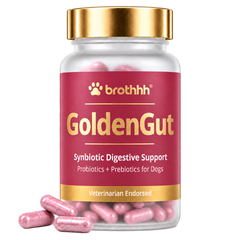
To put it all together, let’s consider an example of a supplement that meets these criteria. Brothhh’s Beef Organ & Bone Broth Complex is a product formulated with direct veterinary input and crafted to the highest quality benchmarks. It’s made in an FDA-regulated facility, using only 100% grass-fed, human-grade beef organs and bone broth protein. Every ingredient is listed in plain detail (liver, heart, kidney, pancreas, spleen, etc.), and the brand provides full transparency about the sourcing and nutritional science behind each one. This kind of vet-formulated, rigorously made supplement exemplifies what owners should seek out. No fluff or fairy tales – just real, nourishing ingredients prepared safely and backed by expert knowledge. Whenever you evaluate a new product, keep these gold standards in mind.

Checklist: Vet-Approved Supplement Shopping
-
Consult your vet first: Always run the idea by your veterinarian before starting a supplement. They can confirm if your dog needs it, and help you avoid unsafe or unnecessary products.
-
Examine the ingredients: Look for recognizable, high-quality ingredients (e.g. “beef liver” instead of generic “animal liver”). Prefer supplements with whole-food sources and no artificial fillers or preservatives.
-
Check for quality seals and testing: Does the product display the NASC Quality Seal or mention third-party lab testing? Quality certifications and a Certificate of Analysis indicate the supplement has been vetted for purity and accuracy.
-
Read the label thoroughly: Ensure it has clear dosage instructions, an expiration date, and the manufacturer’s info. Avoid any supplement that makes bold “cure-all” claims or doesn’t list its ingredients fully.
-
Assess sourcing and manufacturing: Seek out clues that the company uses top-notch sourcing (grass-fed, organic, non-GMO, etc.) and produces the supplement in a reputable facility. “Made in the USA in an FDA-registered facility” is a great sign of quality control.
-
Monitor and adjust: Once you start a new supplement, keep an eye on your dog. Note any positive changes or potential side effects. Share this info with your vet and adjust the plan if needed. A responsible supplement regimen is always a partnership between you and your veterinarian.
By following this guide and the checklist above, you’ll be well-equipped to choose the best vet-recommended dog supplement for your canine companion. In a booming market of powders, chews, and capsules, a little diligent label-reading and vet consultation go a long way. The goal is to support your dog’s health with products that are effective, safe, and grounded in quality. With a discerning eye and your vet’s expert help, you can confidently add supplements into your dog’s routine that truly make a positive difference – and skip the ones that are all bark and no bite. Here’s to keeping your dog healthy, happy, and thriving with smart, vet-approved nutrition boosts!


Leave a comment
This site is protected by hCaptcha and the hCaptcha Privacy Policy and Terms of Service apply.