


There are hundreds of pet products promising better canine health, but the best natural supplements for dogs are often simple, whole-food based nutrients that stand the test of time. Holistic veterinarians and canine nutrition experts agree that a few key supplements can fill nutritional gaps and give your dog a major health boost – without a shelf full of synthetic pills. In this guide, we’ll explore the best natural whole-food supplements for dogs – including organs, probiotics, turmeric, and fish oil – and show how each one helps your dog thrive. Every supplement here is vet-recommended, rooted in nature, and easy to work into your dog’s diet. (And yes, we use them with our own dogs at Brothhh, because we’re passionately devoted to science-backed, “nose-to-tail” nutrition.)
-
Organ Meats & Bone Broth – Nutrient-dense “nose-to-tail” superfoods packed with protein, vitamins, minerals, and collagen for all-around vitality.
-
Probiotics – Beneficial bacteria that support digestion, balanced gut flora, and a robust immune system.
-
Turmeric (Curcumin) – A powerful anti-inflammatory spice that eases joint pain, reduces inflammation, and provides antioxidant benefits.
-
Fish Oil (Omega-3s) – Rich in EPA/DHA fatty acids to promote healthy skin and coat, heart health, joint function, and cognitive support.
1. Organ Meats & Bone Broth: Nature’s Multivitamin for Dogs
Organ meats (such as liver, heart, kidney) and bone broth are a one-two punch of whole-food nutrition. In the wild, canines instinctively eat organs first – they’re loaded with essential vitamins (A, B-complex), minerals (iron, zinc), amino acids, and healthy fats that dogs need for peak health. Think of organ meats as nature’s multivitamin: they support everything from energy levels and vision (thanks to Vitamin A in liver) to red blood cell health and detoxification (thanks to iron and B vitamins). When you add in bone broth – a protein-rich broth made by simmering bones and connective tissue – you introduce collagen, gelatin, glucosamine, and chondroitin, which are fantastic for joint health, skin elasticity, and gut lining repair.
Organ meats and bone broth are holistic dog supplements that benefit virtually every part of your dog’s body. Senior dog with creaky hips? The collagen and glycine in broth can help lubricate joints and calm inflammation. Dog with a picky appetite? A little warm bone broth or a sprinkle of organ meat powder can entice them to eat while delivering dense nutrition. Even healthy adult dogs see benefits: shinier coats, stronger nails, and more pep in their step due to the amino acids and minerals these whole foods provide. Unlike isolated synthetic vitamins, organs and broth provide a spectrum of co-factors that work synergistically in the body. It’s the kind of ancestral nutrition dogs evolved to thrive on.
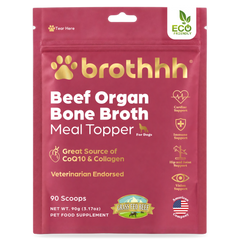
Quality matters here – choose grass-fed, pasture-raised organ sources and broths with no added salt or onions (which can be harmful to dogs). If home-prepping organs isn’t your thing, try a high-quality organ meat supplement or all-in-one topper. For example, our Beef Organ & Bone Broth Complex was formulated to deliver five organs plus bone broth in one convenient powder. It’s a foundational supplement that pairs perfectly with targeted additions like fish oil or turmeric (in fact, organ-based nutrition helps “set the stage” so those other supplements can work even better). Bone broth for dogs is an ancient superfood for joint, gut, and immune support – and when combined with organ meats, you’re truly covering your bases with nutrients that benefit the entire canine body.
2. Probiotics: Gut Health Heroes for Digestion and Immunity
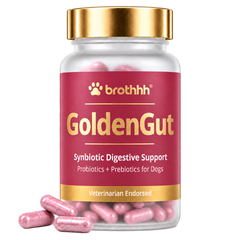
Probiotics are the “good guy” bacteria and yeasts that keep your dog’s gut in balance – and a healthy gut is the cornerstone of overall health. These live microorganisms aid in breaking down food, synthesizing certain vitamins, and keeping harmful bacteria in check. Many vets consider probiotics an essential dog supplement, especially if your dog has been on antibiotics or has a history of tummy troubles. Why? Because antibiotics, stress, or dietary indiscretions can wipe out beneficial flora, leading to diarrhea, gas, or weakened immune defenses. By adding probiotics, you replenish those friendly bacteria and restore harmony in the GI tract.
The benefits of probiotics go far beyond preventing the occasional loose stool. A balanced gut microbiome helps strengthen your dog’s immune system (fun fact: roughly 70% of the immune system is housed in the gut!). A dog with healthy gut flora is better equipped to fend off pathogens and allergens that might otherwise sneak through the intestinal lining. Pet owners often report that dogs on daily probiotics have firmer stools, less foul gas, and even improvements in skin health and allergies (since skin and gut health are linked). Some exciting research even suggests certain probiotic strains may have calming effects on anxious dogs by supporting the gut-brain axis – truly making for a happier gut and a happier dog.
Probiotics for dogs come in many forms: powders, capsules, chews, or even in foods like unsweetened yogurt or kefir. Whichever form you choose, look for a product with multiple strains (e.g. Lactobacillus and Bifidobacterium) and a high CFU count (colony-forming units) in the billions. Introduce them gradually, as a sudden overload could cause temporary gas or bloating. Consistency is key – a small daily dose can keep your dog’s digestive system humming along and their immune defenses primed. From puppies prone to stress colitis to senior dogs needing extra digestive support, probiotics are a gentle, natural way to nurture your dog from the inside out. Just be sure to give them at least 2 hours apart from antibiotics, if your dog is on medication, so the drugs don’t kill the probiotic microbes.
Tip: If your dog is new to probiotics, start with a lower dose and work up. You can even rotate probiotic sources (goat’s milk one week, a probiotic powder the next) to introduce a variety of beneficial organisms. And remember, a quality diet rich in fiber (prebiotics) will further nourish those good bugs you’re adding. Healthy gut, happy dog!
3. Turmeric: Anti-Inflammatory Powerhouse for Joint and Beyond
Turmeric isn’t just a kitchen spice – it’s a golden godsend for dogs, especially those with aches, pains, or age-related issues. The active compound in turmeric, curcumin, is a potent natural anti-inflammatory. In fact, it’s often the first herb holistic vets recommend for dogs with arthritis or mobility problems. Curcumin works much like certain pain medications, but without the harsh side effects, to reduce inflammation in joints and tissues. Dogs taking turmeric supplements or treats often show improved comfort after a few weeks of consistent use.
Beyond easing arthritis, turmeric offers a slew of other benefits. It’s a known antioxidant, meaning it helps scavenge harmful free radicals in the body. This can support long-term health by protecting cells from damage. Turmeric may also aid digestion; it’s been used in Eastern medicine to soothe the gut, and some pet owners find it helps dogs with inflammatory bowel conditions or allergies. You might consider it a holistic “boost” to overall vitality – reducing internal inflammation can positively impact heart health, brain health, and more.
When giving turmeric to your dog, a little strategy goes a long way. Turmeric on its own isn’t very bioavailable - meaning, it can be hard for the body to absorb. However, pairing it with a healthy fat, like fish oil or coconut oil and a pinch of black pepper significantly improves absorption. Most canine turmeric supplements include these helpers, but you can DIY by mixing turmeric powder into a dollop of yogurt or coconut oil. Start with about 1/4 teaspoon for small dogs (up to 1 teaspoon for large dogs) mixed into food daily, and observe. The most common side effect of too much turmeric is an upset tummy or soft stool, so if that occurs, dial back the dose. Also, turmeric’s vibrant orange can stain – your dog won’t mind a yellow-tinged snoot, but you might want to wear gloves when handling it.
In short, turmeric is a vet recommended natural supplement for good reason: it’s safe for most dogs, inexpensive, and backed by centuries of use (and growing scientific evidence) as an anti-inflammatory remedy. From easing stiff joints in an old Labrador to possibly providing an extra layer of cellular protection in dogs of all ages, turmeric earns its place in your dog’s supplement stack. It’s a simple spice with powerful benefits – truly the definition of a dog superfood supplement.
4. Fish Oil (Omega-3 Fatty Acids): Liquid Gold for Skin, Coat, and More
Fish oil is often the first supplement veterinarians suggest for dogs – and it’s easy to see why. This marine-derived oil is packed with Omega-3 fatty acids, specifically EPA and DHA, which are critical for countless bodily functions. Dogs can’t produce these fatty acids on their own, so dietary sources are a must. If your dog eats a typical commercial diet, chances are they’re getting more Omega-6 than Omega-3 (common in grain-fed meats and plant oils), which can skew the body toward inflammation. By adding a quality fish oil, you rebalance that ratio, tipping the scales back toward anti-inflammatory, health-promoting effects.
The benefits of fish oil for dogs are wide-ranging. Most visibly, Omega-3s work wonders for skin and coat health. Is your dog itchy or prone to dry, flaky skin? Fish oil can help soothe inflammation from the inside out, often reducing scratching and dander. Many dog owners report a significant decrease in shedding and a glossier, softer coat after a month or two of fish oil supplementation – it’s like conditioning your dog’s fur from within. But the perks don’t stop at vanity: fish oil supports your dog’s heart health and brain function, too. Puppies supplemented with DHA (one of the Omega-3s) show improved brain development, which can even aid in trainability. In adult and senior dogs, Omega-3s help maintain cognitive function (some studies suggest they may slow cognitive decline) and support a strong, steady heartbeat.
Perhaps one of the most celebrated uses of fish oil is for joint support and easing inflammation related to arthritis. Omega-3s act as natural anti-inflammatories; in arthritic dogs, they can reduce joint stiffness and pain, improving mobility over time.. In fact, many prescription joint diets for pets are heavily fortified with fish oil to capitalize on these effects. Additionally, fish oil gives an immune system boost – dogs receiving Omega-3 supplements often have a heightened immune response, meaning they recover faster from illnesses and may even have better allergy resistance.
To give your dog fish oil, opt for high-quality sources like wild-caught salmon oil, sardine/anchovy oil, or purified fish oil capsules. The dosage matters: too little might not show benefit, while too much could cause an upset stomach or loose stool. A common guideline is about 20-30 mg of combined EPA+DHA per pound of dog body weight, but always check the label and consult your vet if unsure. Also, because Omega-3s are delicate fats, store the oil in the fridge and use it before it turns rancid (you’ll know by the “off” smell). One more tip – fish oil can deplete vitamin E over the long term, so some supplements include vitamin E or you can give a tiny additional dose of E under guidance.
Overall, fish oil is a true multitasker: a single supplement that can improve your dog’s coat shine, quell itchy skin, cushion aching joints, bolster heart and kidney health, and even sharpen their mind. It’s no surprise that Omega-3 fish oil regularly tops the list of top supplements for dog health. If you add nothing else to your dog’s regimen, a daily fish oil might be the simplest, most impactful choice to enhance their well-being.
Building Your Dog’s Minimalist Supplement Stack
With so many options available, it’s easy to go overboard on supplements. Our advice: keep it minimal and meaningful. The five natural supplements above cover a lot of ground in terms of health benefits. Here’s a quick checklist to craft a smart, minimalist supplement routine for your dog:
-
Start with a Solid Base: Choose one foundational supplement that covers broad nutritional needs. A nose-to-tail blend like an organ-and-bone broth meal topper is a great all-in-one nutritional base to build upon.
-
Add Targeted Boosters: Identify your dog’s key needs and add 1–2 targeted supplements. For example, if your dog has itchy skin or arthritis, introduce fish oil or turmeric for their anti-inflammatory benefits. If digestion is a concern, bring in a probiotic.
-
Quality Over Quantity: Use high-quality, vet-approved products from reputable sources. Natural, whole-food supplements work best when they’re pure and potent. (Tip: Check if the company provides sourcing info or has a science-backed rationale for their formulas.)
-
Introduce Slowly: Add only one new supplement at a time and give it a few weeks. This lets you monitor how your dog responds and ensures they tolerate it well. Every dog is unique – observe their coat, energy, digestion, and overall demeanor.
-
Consistency & Patience: Natural supplements aren’t magic overnight cures, but with consistent use you’ll see cumulative benefits. Stick to a routine (daily or as directed) and be patient; the payoff is a healthier, happier dog over the long run.
-
Vet Partnership: Always loop in your veterinarian, especially if your dog has existing health conditions or is on medication. A quick chat with your vet can help fine-tune which supplements are most appropriate and safe for your individual dog.
By focusing on a few proven, natural supplements, you can significantly enhance your dog’s nutrition and well-being without complicating their regimen. Think of it as creating a personalized wellness plan for your best friend – one built on real, whole-food ingredients that dogs instinctively thrive on. Each supplement in your minimal stack should have a purpose your dog can feel. Over time, you’ll likely notice visible improvements: smoother movement, a shinier coat, better digestion, a springier step, maybe even a sparkier personality. That’s the beauty of a thoughtful supplement routine.
In the end, our dogs rely on us to make the best choices for their health. By choosing natural, high-impact supplements and using them wisely, you’re doing something wonderful for your canine companion. Here’s to keeping our dogs vibrant, comfortable, and by our side for many years to come – all through the power of nature’s finest gifts. Happy supplementing!




Leave a comment
This site is protected by hCaptcha and the hCaptcha Privacy Policy and Terms of Service apply.